Finding the best sewing machine for your projects comes down to matching the machine to the fabric you feed it.
If you are staring down a stack of mended jeans, a quilt top ready for quilting, or a hoop for monogramming, the right features can save you from skipped stitches and tension headaches.
This roundup covers machines for light travel, heavy denim, embroidery, and quilting, plus key specs like throat space and bobbin type.
Scroll on to see which one fits your table.
How We Tested
Specifications matter most when matching a machine to your projects, so check throat space for large quilts, motor torque for heavy duty denim, and stitch width for embroidery work. Review the listed stitch counts and included accessories like presser feet and extension tables to see what versatility each model offers before you buy.
Value depends on how documented features fit your intended tasks, so weigh automatic needle threaders and jam resistant bobbins against your need for streamlined setup. Since the source does not confirm price comparisons, you can evaluate whether the included accessories and workspace size justify the cost for your specific sewing needs.
Editorial judgment comes down to your priorities, as the source lists combo units for embroidery and compact models for small homes without stating why any product was selected. Compare the documented differences in voltage and motor power to judge which machine handles tough fabrics reliably, and consider larger workspace areas for bulky quilts versus travel friendly options.
| Brother SE700 Sewing Embroidery Machine Wireless LAN | 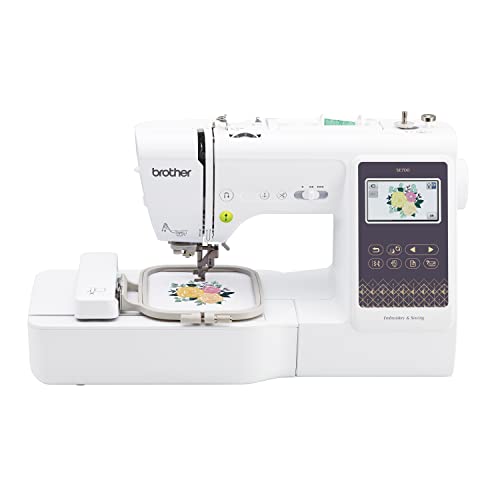 | Best Embroidery Combo | Brand: Brother | Machine Type: Sewing/Embroidery combo | Built-in Stitches: 103 | SEARCH BEST PRICE | Read Our Analysis |
| Brother CS7000X Sewing and Quilting Machine LCD | 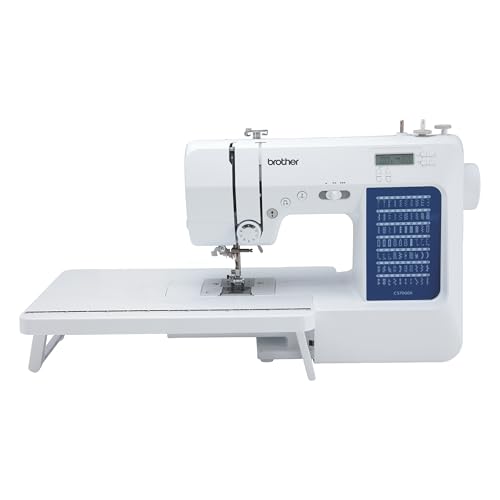 | Top Quilting Pick | Brand: Brother | Machine Type: Standard with quilting | Built-in Stitches: 70 | SEARCH BEST PRICE | Read Our Analysis |
| KPCB Tech Mini Sewing Machine for Beginners | 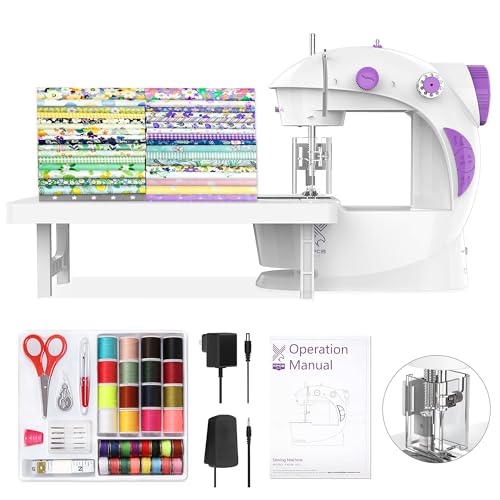 | Best For Kids & Beginners | Brand: KPCB Tech | Machine Type: Mini portable | Built-in Stitches: Not specified (full-size double-thread mechanism) | SEARCH BEST PRICE | Read Our Analysis |
| SINGER 4423 Heavy Duty Sewing Machine (Meltwater Blue) |  | Heavy-Duty Powerhouse | Brand: SINGER | Machine Type: Heavy duty | Built-in Stitches: 23 | SEARCH BEST PRICE | Read Our Analysis |
| Brother CS5055 Computerized Sewing Machine with LCD Display |  | Best Computerized Value | Brand: Brother | Machine Type: Standard | Built-in Stitches: 60 | SEARCH BEST PRICE | Read Our Analysis |
| Brother XM2701 Portable Sewing Machine 27 Stitches |  | Most Portable | Brand: Brother | Machine Type: Standard (portable) | Built-in Stitches: 27 | SEARCH BEST PRICE | Read Our Analysis |
| Brother XR9550 Computerized Sewing & Quilting Machine |  | Most Stitch Options | Brand: Brother | Machine Type: Standard with quilting | Built-in Stitches: 165 | SEARCH BEST PRICE | Read Our Analysis |
| Brother XR3774 Sewing and Quilting Machine 37 Stitches |  | Best Learning Bundle | Brand: Brother | Machine Type: Standard | Built-in Stitches: 37 | SEARCH BEST PRICE | Read Our Analysis |
| SINGER Heavy Duty 4552 Sewing Machine Bonus Feet |  | Most Eco-Friendly | Brand: SINGER | Machine Type: Heavy duty | Built-in Stitches: 32 | SEARCH BEST PRICE | Read Our Analysis |
| Singer 4452 Heavy Duty Sewing Machine Holiday Bundle | 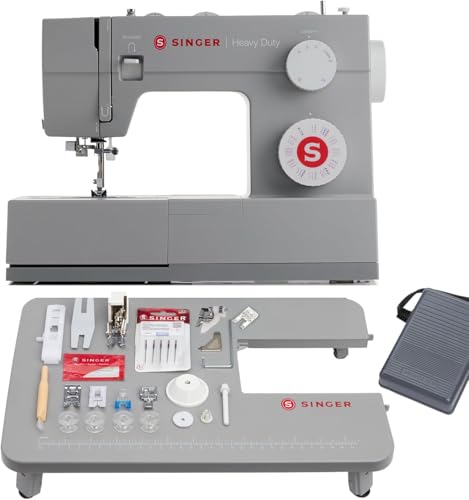 | Best Accessory Bundle | Brand: SINGER | Machine Type: Heavy duty | Built-in Stitches: 32 | SEARCH BEST PRICE | Read Our Analysis |
More Details on Our Top Picks
Brother SE700 Sewing Embroidery Machine Wireless LAN

Best Embroidery Combo
The Brother SE700 combines sewing and embroidery in one machine, giving you creative flexibility without needing two separate devices. It handles everyday mending and custom 4×4 embroidery projects with equal ease, so you can switch tasks in moments.
Best for: Beginners who want a single machine for garment repairs and adding monograms or small motifs to fabric.Biggest strength: The 3.7 inch touchscreen lets you preview and edit designs before stitching, so mistakes show up on screen, not on your project.Not ideal if: You need a large embroidery field, since the 4×4 hoop limits you to smaller designs and badges.How it compares: With 103 stitches and 135 built in designs, it offers more embroidery variety than most combo units at this price tier, though its throat space stays modest for quilting.- Brand:Brother
- Machine Type:Sewing/Embroidery combo
- Built-in Stitches:103
- Needle Threader:Automatic
- Bobbin Type:Top drop-in (jam-resistant)
- Model:SE700
- Additional Feature:Wireless file transfer
- Additional Feature:135 built-in designs
- Additional Feature:3.7-inch color touchscreen
Brother CS7000X Sewing and Quilting Machine LCD
Top Quilting Pick
The Brother CS7000X is a quilting machine built to handle large projects without a steep learning curve. It gives you 70 stitch options, a jam resistant drop in top bobbin, and an automatic needle threader so you can focus on your fabric instead of setup.
Best for: Quilters who want a versatile machine for king sized quilts and need a wide workspace to manage bulky layers.Biggest strength: The metal frame and fixed needle bar keep stitch lines crisp even on thick seams, while the larger needle to arm space lets you move a full quilt freely.Not ideal if: You need a portable machine or plan to use it outside North America, since it runs on 120V only and has no voltage conversion.How it compares: It offers more stitch variety and a larger workspace than the lightest picks here, but it trades portability for that extra room and stability.- Brand:Brother
- Machine Type:Standard with quilting
- Built-in Stitches:70
- Needle Threader:Automatic
- Bobbin Type:Top drop-in (jam-resistant)
- Model:CS7000X
- Additional Feature:Durable metal frame
- Additional Feature:Fixed needle bar
- Additional Feature:Trilingual user manual
KPCB Tech Mini Sewing Machine for Beginners
Best For Kids & Beginners
The KPCB Tech FHSM-201 is a compact sewing machine built for beginners and kids. It delivers full size stitching with a double thread mechanism, so you can sew up to 5 layers without tying knots manually.
Best for: The best sewing machine for beginners under $50, especially for young users who need a finger guard and two speed options to stay safe while learning.Biggest strength: The dual speeds let you stitch slowly at first, then switch to standard pace as you gain control, which reduces mistakes on early projects.Not ideal if: You need a heavy duty sewing machine for thick denim or multiple dense layers, since this portable model works best with light to medium fabrics.How it compares: Unlike heavier tabletop models here, this pick stays light with a foot pedal and extension table, making it the most travel friendly option, and it includes 20 cotton squares and tutorial videos to start right away.- Brand:KPCB Tech
- Machine Type:Mini portable
- Built-in Stitches:Not specified (full-size double-thread mechanism)
- Needle Threader:Manual (included tool)
- Bobbin Type:Standard (not specified as drop-in)
- Model:FHSM-201
- Additional Feature:Finger guard for safety
- Additional Feature:Includes 20 fabric squares
- Additional Feature:Multilingual manuals available
SINGER 4423 Heavy Duty Sewing Machine (Meltwater Blue)
Heavy-Duty Powerhouse
The SINGER 4423 is a heavy duty sewing machine built for speed and stability, giving you a rigid metal frame and rapid stitching for demanding projects. It powers through thick materials with consistent results, so you can spend less time fighting your equipment and more time finishing your work.
Best for: Anyone who regularly sews denim, canvas, or multiple layers of upholstery fabric and wants a machine that won’t stall or shift under pressure.Biggest strength: The 1,100 stitches per minute speed, which is roughly 50% faster than standard models, lets you finish heavy seams quickly without bogging down.Not ideal if: You prefer a quiet, lightweight machine for occasional mending, because the sturdy construction adds bulk and the motor hums loudly at full speed.How it compares: With 23 stitches, a one step buttonhole, and an automatic needle threader, it offers more utility than basic heavy duty picks, yet it weighs more than lighter options in this group.- Brand:SINGER
- Machine Type:Heavy duty
- Built-in Stitches:23
- Needle Threader:Automatic
- Bobbin Type:Top drop-in
- Model:230489112
- Additional Feature:1,100 stitches per minute
- Additional Feature:Stainless-steel bedplate
- Additional Feature:Extra-high presser foot lift
Brother CS5055 Computerized Sewing Machine with LCD Display
Best Computerized Value
The Brother CS5055 is a computerized sewing machine that brings dependable stitching to everyday projects without a high price tag. It pairs a metal frame with an LCD screen, making stitch selection clear and operation stable for home sewists.
Best for: Beginners and hobbyists who want an affordable computerized seamer with 60 stitch options and one step buttonholes.Biggest strength: The fixed needle bar and metal frame keep stitches even and clean, which matters when you are quilting larger pieces.Not ideal if: You live outside the US, since this model runs on 120V only and using a converter can void the warranty.How it compares: It includes more extras than most at this price tier, such as seven presser feet, four bobbins, and a needle set, which saves you a separate purchase.- Brand:Brother
- Machine Type:Standard
- Built-in Stitches:60
- Needle Threader:Automatic
- Bobbin Type:Top drop-in (jam-resistant)
- Model:CS5055
- Additional Feature:Metal frame construction
- Additional Feature:Fixed needle bar
- Additional Feature:60 built-in stitches
Brother XM2701 Portable Sewing Machine 27 Stitches
Most Portable
The Brother XM2701 packs 27 built in stitches into a compact frame that fits easily in a small craft room or closet. It offers a practical mix of automatic features and included accessories so you can start sewing right away without a steep learning curve.
Best for: Beginners who want a best sewing machine for beginners with a low learning curve, thanks to the automatic needle threader and jam resistant drop in top bobbin.Biggest strength: Portability wins here, as its light body and free arm make it easy to move between rooms or pack for a class, while still covering stretch and decorative stitches.Not ideal if: You regularly sew through thick layers like denim or canvas, since the motor is not built for heavy duty sewing machine workloads and may slow down on tough seams.How it compares: It is the lightest pick here, and the included six feet plus twin needle give you more setup options than similarly priced models, though it lacks the speed control found on some heavier rivals.- Brand:Brother
- Machine Type:Standard (portable)
- Built-in Stitches:27
- Needle Threader:Automatic
- Bobbin Type:Top drop-in (jam-resistant)
- Model:XM2701S
- Additional Feature:Free arm design
- Additional Feature:Twin needle included
- Additional Feature:Lifetime technical support
Brother XR9550 Computerized Sewing & Quilting Machine
Most Stitch Options
The Brother XR9550 is a computerized sewing and quilting machine that gives you 165 built-in stitches, including utility, decorative, alphanumeric, and buttonhole options. It pairs a jam-resistant drop-in bobbin with an automatic needle threader so you can spend time stitching instead of setting up.
The included wide table and eight presser feet make it a practical quilting machine for serious hobbyists who want versatility without a heavy investment.
Best for: Quilters and serious hobbyists who want 165 stitch options, including 55 alphanumeric stitches for monogramming, all for under $200.Biggest strength: The automatic needle threader saves your eyesight, and the jam-resistant drop-in bobbin keeps your rhythm going without fights.Not ideal if: You need to travel with your machine, because it is 120V and US-only, so using it abroad voids the warranty.How it compares: It offers the most stitch variety at this price tier, and the included wide table plus eight feet match what you would expect from pricier quilting machines.- Brand:Brother
- Machine Type:Standard with quilting
- Built-in Stitches:165
- Needle Threader:Automatic
- Bobbin Type:Top drop-in (jam-resistant)
- Model:XR9550
- Additional Feature:Protective hard cover
- Additional Feature:Wide table included
- Additional Feature:55 alphanumeric stitches
Brother XR3774 Sewing and Quilting Machine 37 Stitches
Best Learning Bundle
The Brother XR3774 is a sewing and quilting machine with 37 stitches, built to handle everyday mending, craft projects, and full quilts. It pairs forgiving mechanics with helpful extras, so a beginner can learn without frustration while an experienced user can move through larger work efficiently.
Best for: Beginners who want a versatile, low stress introduction to sewing, since the automatic needle threader and jam resistant drop-in bobbin remove common early hurdles.Biggest strength: The included wide table and eight presser feet expand its range, letting you move from cuffs and sleeves to a full quilt without buying extra parts upfront.Not ideal if: You travel or live outside the US, because this is a 120V machine built for US outlets only, and its heavier frame is not meant for frequent portability.How it compares: It is the most beginner friendly pick here, with a forgiving stitch range and more bundled accessories than the lighter, simpler models, though it lacks the raw motor power of a heavy duty sewing machine.- Brand:Brother
- Machine Type:Standard
- Built-in Stitches:37
- Needle Threader:Automatic
- Bobbin Type:Top drop-in (jam-resistant)
- Model:XR3774
- Additional Feature:Instructional DVD included
- Additional Feature:Wide table included
- Additional Feature:Free arm feature
SINGER Heavy Duty 4552 Sewing Machine Bonus Feet
Most Eco-Friendly
The SINGER Heavy Duty 4552 Sewing Machine with bonus feet pairs a strong metal frame with a fast 1,100 stitch per minute motor, so it handles thick fabrics and daily mending without straining. It includes 32 built-in stitches, a stainless bedplate for smooth fabric glide, and a free arm for cuffs, making it a reliable daily driver for sewists who want durability without paying boutique prices.
Best for: Budget conscious sewists who need a heavy duty sewing machine for denim, canvas, and repetitive home projects.Biggest strength: A drop in feed dog system and adjustable presser foot pressure give you control for free motion quilting, while the needle threader cuts setup time in half.Not ideal if: You need a large throat space for bulky quilts, this model has a standard 6.35 inch arm, so consider a quilting machine with more room for big projects.How it compares: The Eco Mode auto shuts off the light after 15 idle minutes, saving power where other picks here stay on, and the top drop in bobbin makes threading quick.- Brand:SINGER
- Machine Type:Heavy duty
- Built-in Stitches:32
- Needle Threader:Automatic (integrated)
- Bobbin Type:Top drop-in
- Model:HD4552
- Additional Feature:Eco Mode power saving
- Additional Feature:Drop feed for free-motion
- Additional Feature:Rubberized dial grips
Singer 4452 Heavy Duty Sewing Machine Holiday Bundle
Best Accessory Bundle
The Singer 4452 Heavy Duty Sewing Machine Holiday Bundle gives you a fast, powerful machine that handles thick fabrics with ease. It includes a bonus extension table and eight specialty feet, so you can take on large projects like quilts and costumes right out of the box.
Best for: Anyone who needs a heavy duty sewing machine for denim, canvas, or other tough materials without paying a premium price.Biggest strength: The 50% more motor power and 1,100 stitches per minute make quick work of thick layers that stall lighter machines.Not ideal if: You prefer a compact machine for small spaces, since the full metal frame and included extension table add noticeable bulk to your setup.How it compares: It offers more built in stitches and included accessories than the lighter picks here, making it the best equipped option for versatility at this price tier.- Brand:SINGER
- Machine Type:Heavy duty
- Built-in Stitches:32
- Needle Threader:Automatic (built-in)
- Bobbin Type:Top drop-in (with clear cover)
- Model:4452
- Additional Feature:Bonus extension table
- Additional Feature:StayBright LED lighting
- Additional Feature:Bonus specialty presser feet
Factors to Consider When Choosing Sewing Machines
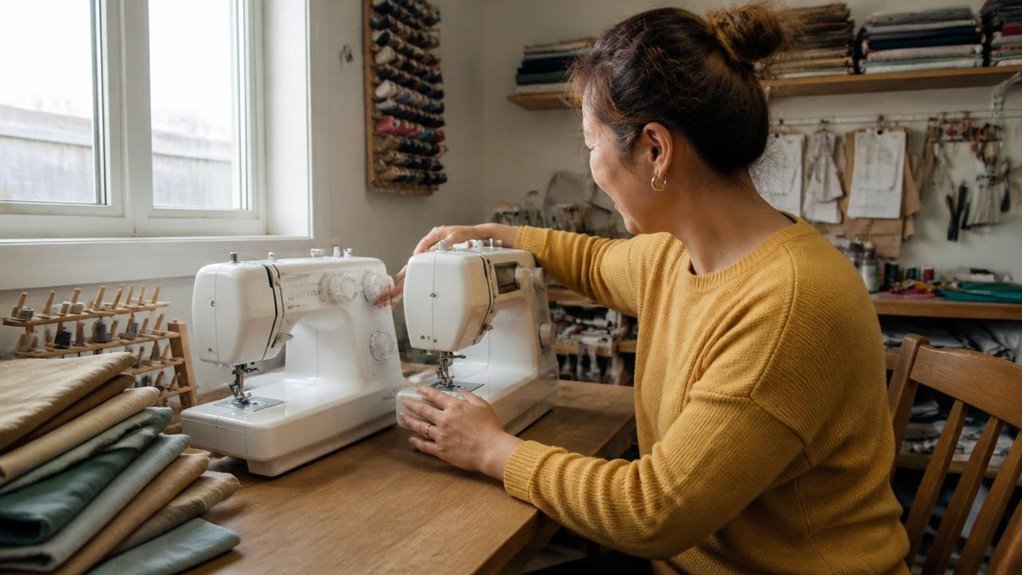
Choose a sewing machine for how it sews, not how it looks. That teal finish is nice, but it won’t help you with a stubborn hem.
Focus on the stitch capabilities, motor power, bobbin system, workspace size, and included accessories. These are the parts that matter during everyday use.
Think of it like buying a car. You don’t care about the cup holders until you’re stuck in traffic, so check under the hood first.
Check how the machine handles tension and stitch length on different fabrics. A reliable bobbin system saves you from mid-project frustration.
Make sure the presser foot and feed dogs work smoothly for the materials you plan to sew. A bigger workspace helps when you’re handling large projects or quilts.
Look at what comes in the box, like extra presser feet or bobbins. These add value without a separate trip to the store.
For any machine repair or electrical issues, follow the manufacturer’s instructions or ask a qualified technician. Your safety comes first.
Pick a machine that fits your sewing style and skill level. Test it if you can, and choose one you’ll enjoy using for years.
Stitch Capabilities
A stitch library is your machine’s DNA, ranging from 23 patterns to 165. That is the difference between sewing a basic T-shirt and embroidering a peacock on a pillowcase.
You will want a wide range for real versatility. Utility, decorative, heirloom, stretch, and quilting stitches give you over 100 applications on many machines.
One-step auto-size buttonholes handle the boring work perfectly. They measure your button and sew consistent holes every time.
Adjustable stitch length and width let you tweak everything from basting to dense decorative work. Specialized stitches like blind hem, zigzag, and stretch are your best friends for knits and clean edges.
If you are serious about projects, do not settle for fewer than 50 stitches. You will thank yourself later.
Motor Power
The motor acts as the engine for your machine, and when you tackle denim or canvas, it determines whether the job feels easy or exhausting. Heavy-duty models reach 1,100 stitches per minute (SPM), which means the needle cycles quickly enough to finish a project before your coffee cools.
More power gives you about 50% greater piercing force, so you can sew through stacked leather layers without the machine stalling. Higher wattage also keeps stitch quality steady, reducing skipped stitches and needle deflection on dense fabrics.
Adjustable speed control lets you cap those SPMs for precise curves, then open up the throttle for long straight seams. A metal internal frame absorbs vibration and heat, which protects the motor during extended use.
Don’t under-buy on power. A strong motor with speed control turns frustrating thick fabric into a smooth, satisfying pass.
Bobbin System
Motor power gets you through the fabric, but the bobbin system keeps you from losing your mind mid-project. Your top pick should likely be a drop-in top-loading bobbin: it’s jam-resistant, and you’ll see the thread supply at a glance.
Drop-ins simplify threading. You literally drop the bobbin in, pull the thread, and go.
Transparent covers let you spot a dwindling spool. Most models disengage the needle whilst winding, saving you from accidental stitches.
Fully rotating vertical hooks exist for high-speed work, but they’re trickier to thread. Skip tiny bobbin cases; they’ll have you rethreading constantly.
For everyday sewing, a drop-in with a larger capacity is your sweet spot. Honestly, it’s the only way to fly.
Workspace Size
Check the throat space, the distance to the right of the needle, before you buy. A larger throat, around 9 inches, lets you push a queen‑sized quilt through without folding it into origami.
Many quilting machines accept a wide table attachment, which gives you a level surface to support heavy fabric. That support is a relief for your back during long sessions.
The free arm shrinks the workspace, but it saves your sanity when sewing cuffs and hems. Depth matters too: a thin arm will jam on thick denim.
A compact machine works for small projects or tiny desks, but you will fight the fabric on bigger items. If you sew large pieces, go wide and deep.
Included Accessories
Measure the throat and test how a quilt feeds through before you fall in love with a machine. The accessories in the box then decide if it’s worth the money.
You want a full presser-foot set: all-purpose, zipper, buttonhole, and the walking foot. The walking foot feeds thick layers evenly, so it earns its place. A wide extension table gives bulky projects a flat, level surface, which makes a real difference. Check for a hard case too; you’ll thank yourself when you haul it to a class or retreat.
Many kits include fabric squares for practice, plus a bobbin stash, extra needles, a seam ripper, and scissors. That saves you a trip to the store. Count the feet before you commit. If the set is skimpy, walk away.
A generous bundle turns a good machine into your favorite hobby. Don’t settle for bare bones.
Frame Durability
A sewing machine that feels solid one day and flimsy the next usually comes down to the frame. Choose a metal interior frame, not plastic composite, for long-term reliability.
A rigid metal skeleton absorbs vibration, which gives you cleaner stitches at high speeds. It also prevents flex, the bending under pressure that throws off needle alignment when you sew thick denim or canvas.
A full metal chassis resists wear and stays aligned through years of daily use. Lighter housings loosen over time and allow parts to drift out of position.
Fixed needle bar, minimal lateral movement, and consistent tension come from that stable base. You are buying longevity here, not just easy portability.
Metal frames hold up to layered fabrics without deflection. Composite frames are lighter and cheaper, but they wobble and wear out sooner.
If you sew regularly or push through heavy material, skip the plastic. A metal-framed machine quietly pays off in years of dependable stitching, not repeated repair visits.
Frequently Asked Questions
How Often Should I Oil My Sewing Machine?
Oil your sewing machine after every 8 to 10 hours of sewing, or each time you change the bobbin, whichever comes first. Skipping this step risks jammed mechanisms and uneven stitches, so treat it as a quick habit, not a chore.
Check your machine’s manual for exact oil points, as not all models need oil on every moving part. In my experience, a tiny drop on the hook race and needle bar keeps things smooth, but only if your manual confirms those spots.
For daily use, oil at the start of a session on a scrap fabric piece, then run a few stitches to distribute the lubricant evenly. This simple routine prevents buildup and keeps the timing accurate, and a related term to search is “sewing machine lubrication schedule.” If your manual is unclear, test on scrap and stick to a weekly rhythm.
What Thread Tension Settings Work Best for Denim?
For denim, start with a tension setting around 4.5, but always test on scrap fabric first since machines vary. You want sturdy stitches that don’t pucker, so adjust in small increments while checking both sides of the seam.
Heavier fabric demands a firmer pull, yet too much tension can cause thread breakage or uneven feeding. Use a denim or jeans needle, size 90/14 or 100/16, and set a stitch length of about 3.0 to 3.5 mm for durability.
If your machine has a balanced tension indicator, use it, but manual testing remains your best guide. For thick seam crossings, engage the walking foot or lower the presser foot pressure if available. Every machine and denim weight behaves differently, so check your manual and sew a layered sample before starting your project.
Can I Use Metallic Thread With These Models?
Yes, you can use metallic thread with these models, provided you adjust your technique for smooth stitching.
Slow your sewing pace and switch to a larger needle, like a size 90/14, to reduce friction on the delicate metallic filament.
Loosen your tension slightly and test on scrap fabric first, since machines and thread types vary.
For best results, use a thread stand or place the spool upright to prevent uneven unwinding, a common cause of snags.
If you notice skipped stitches or breakage, try a longer stitch length, around 2.5 to 3.0 mm, and check your manual to see if a specialized needle is recommended.
In my experience, a sharp needle with a larger eye, often called a “metallic needle,” makes a noticeable difference, but verify compatibility with your model.
Keep your machine clean and use a slow, steady rhythm to enjoy the shimmer without frustration.
How Do I Troubleshoot a Jammed Bobbin Case?
To troubleshoot a jammed bobbin case, turn off your machine, remove the bobbin case, and clear out all tangled threads and lint. Then reinsert it correctly, ensuring the thread unwinds in the right direction, and test on scrap fabric.
If it still jams, do not force the fabric through. Check your needle for burrs or bending, and replace it if needed. A bent needle is a common cause of bobbin jams, so use a fresh one.
For stitch tension, test on scrap fabric and consult your manual, as settings vary by machine. If the problem persists, clean the bobbin area thoroughly with a small brush. In my experience, regular lint removal prevents most recurring jams, so make this a quick habit after every project.
Which Presser Foot Is Universal Across All Brands?
The zigzag foot is the closest thing to a universal presser foot across most brands, especially on low-shank machines. It bridges the gap between different manufacturers, so you will rarely need another for everyday sewing.
Just snap it on, select a medium stitch width, and test on scrap fabric first. This quick check confirms your machine’s feed and stitch alignment before you start your real project.
For high-shank or slant-shank models, however, compatibility changes, so check your manual for the correct shank type. If you are unsure, bring your machine’s shank measurement to a local shop or search for a “snap-on foot adapter” for your specific model.
Tension and needle size still depend on your fabric weight, so start with a size 80/12 needle and adjust only after a test seam. In my experience, keeping a spare zigzag foot in your kit saves time when switching projects. Always follow your manual’s fitting instructions to avoid damaging the presser bar.
Rounding Up
The right sewing machine depends on your fabric and your stamina, so choose one that matches both.
Check your budget and measure your space before you buy, because size and price matter more than flashy extras.
Test the Brother CS7000X for its LCD screen and all-around ease, or the SINGER 4423 for heavy-duty denim power.
Compare their stitch options and see which one feels natural under your hands.
Don’t ignore those LCD screens, they are genuine game-changers for precision work.
Both models punch above their weight, like a chihuahua with a sewing kit, so pick the one that fits your pile.
Your fabric pile finally meets its match, so just start sewing and skip the dog curtains.