If you are hunting for the best sewing machines for beginners, this roundup is where to start. You might be sitting with a pattern that feels too complicated, or fabric that keeps jamming in a machine that feels too flimsy to handle it.
We tested the features that actually matter for new sewists, from jam-resistant bobbins to the stitches that help you finish a project without frustration.
We cover the machines here by what they do best, so you can match one to the fabric and projects you already have in mind.
Check out these top picks below to find the one that fits your sewing table.
How We Tested
Specifications matter most when matching a machine to a beginner’s planned projects, so compare stitch counts, included feet, and frame construction directly from the listed details. The Brother XR3774 offers 37 stitches, an auto needle threader, and a jam resistant bobbin, while the Brother XM2701 provides 27 stitches and six presser feet for basic learning. For decorative work, the Brother CS5055’s LCD screen and 60 stitches remove guesswork, and the SINGER 4423’s metal frame supports denim and quilting stacks without needing our hands on review.
Value here depends on how many useful features come with each machine relative to its intended sewing tasks, since the source does not confirm we compared prices. Readers can weigh the Brother SE700’s touchscreen and wireless embroidery transfer against the CS5055’s broader stitch library, or judge the XM2701’s six feet as a cost effective start for straight and zigzag seams. Check which included accessories address your first projects, like heirloom patterns for the CS5055 versus embroidery for the SE700, rather than assuming any pick is cheaper.
Editorial judgment should rest on documented differences in stitch counts, presser feet, and specialized functions, since the source gives no rationale for why these models were selected. You can decide if the SINGER 4423’s speed motor fits your denim goals, or if the Brother XR3774’s jam resistant bobbin reduces frustration enough to justify its extra stitches. Compare the SE700’s wireless capabilities to the XM2701’s simplicity, and choose based on which advanced feature you will actually use first, not on any implied testing or ranking from us.
| Brother XR3774 Sewing Quilting Machine 37 Stitches |  | Best Overall | Stitch Capability: 37 built-in stitches | Product Type: Sewing and quilting machine | Intended Use: Everyday sewing and quilting | SEARCH BEST PRICE | Read Our Analysis |
| SINGER 4423 Heavy Duty Sewing Machine Meltwater Blue |  | Best Durability | Stitch Capability: 23 stitches / 97 stitch applications | Product Type: Heavy-duty sewing machine | Intended Use: Heavy-duty fabrics and frequent use | SEARCH BEST PRICE | Read Our Analysis |
| KPCB Tech Mini Sewing Machine for Beginners | 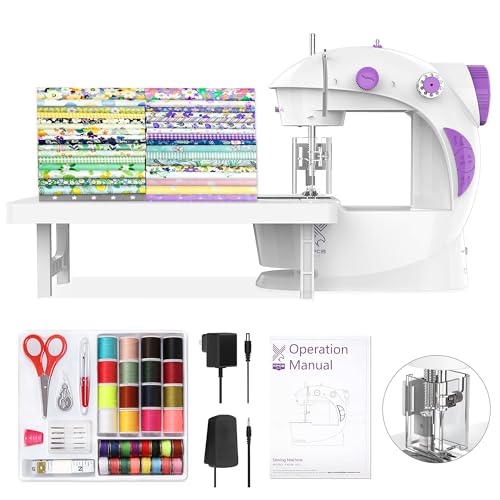 | Best for Kids | Stitch Capability: Full-size double-thread mechanism | Product Type: Mini sewing machine | Intended Use: Beginner practice, patchwork, school projects | SEARCH BEST PRICE | Read Our Analysis |
| Portable Sewing Machine for Beginners with 12 Stitches |  | Most Portable | Stitch Capability: 12 built-in stitch patterns | Product Type: Portable sewing machine | Intended Use: Beginner sewing, repairs, DIY projects | SEARCH BEST PRICE | Read Our Analysis |
| Brother SE700 Sewing and Embroidery Machine Wireless LAN | 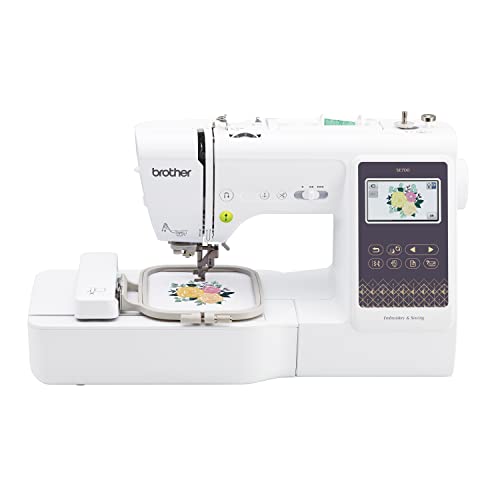 | Best for Embroidery | Stitch Capability: 103 built-in sewing stitches | Product Type: Sewing and embroidery machine | Intended Use: Sewing and embroidery projects | SEARCH BEST PRICE | Read Our Analysis |
| Brother CS7000X Sewing and Quilting Machine LCD Display | 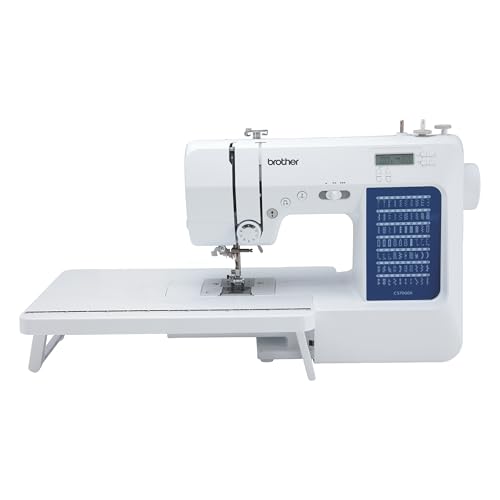 | Best for Quilting | Stitch Capability: 70 unique built-in stitches | Product Type: Sewing and quilting machine | Intended Use: Sewing and quilting projects | SEARCH BEST PRICE | Read Our Analysis |
| Brother XM2701 Portable Sewing Machine with 27 Stitches |  | Best for Beginners | Stitch Capability: 27 built-in stitches | Product Type: Portable sewing machine | Intended Use: Everyday sewing for beginners to advanced | SEARCH BEST PRICE | Read Our Analysis |
| Brother CS5055 Computerized Sewing Machine with LCD Display |  | Best Value | Stitch Capability: 60 built-in stitches | Product Type: Computerized sewing machine | Intended Use: Utility, decorative, and heirloom sewing | SEARCH BEST PRICE | Read Our Analysis |
| Portable Sewing Machine for Beginners with 12 Stitches |  | Budget-Friendly Pick | Stitch Capability: 12 built-in stitch patterns | Product Type: Portable sewing machine | Intended Use: Beginner alterations and craft projects | SEARCH BEST PRICE | Read Our Analysis |
| Brother XM2701 27-Stitch Sewing Machine |  | Best Starter Kit | Stitch Capability: 27 built-in stitches | Product Type: Sewing machine with thread/needle bundle | Intended Use: Everyday sewing projects | SEARCH BEST PRICE | Read Our Analysis |
More Details on Our Top Picks
Brother XR3774 Sewing Quilting Machine 37 Stitches

Best Overall
The Brother XR3774 is a dependable sewing and quilting machine built for everyday projects without the steep learning curve. It gives beginners a straightforward path to professional looking results while offering enough stitch variety for more experienced sewers.
Best for: Beginners who want a best sewing machine for beginners that handles mending, hemming, and basic quilting right away, thanks to 37 built in stitches like blind hem and decorative options.Biggest strength: The automatic needle threader and jam resistant drop in top bobbin remove the two most frustrating setup steps, so you spend time sewing instead of squinting or untangling.Not ideal if: You need a heavy duty sewing machine for thick fabrics like denim stacks or leather, since this model is not built for sustained high torque work.How it compares: It is the most accessible pick here, with 8 sewing feet, a wide table, and a cover included at an entry level price, though it lacks the speed control and metal frame of pricier options.- Stitch Capability:37 built-in stitches
- Product Type:Sewing and quilting machine
- Intended Use:Everyday sewing and quilting
- Threading System:Automatic needle threader
- Bobbin System:Jam-resistant drop-in top bobbin
- Brand:Brother
- Additional Feature:Wide table included
- Additional Feature:8 sewing feet included
- Additional Feature:Instructional DVD included
SINGER 4423 Heavy Duty Sewing Machine Meltwater Blue
Best Durability
The SINGER 4423 is a heavy duty sewing machine built for speed and stability, letting you power through thick fabrics without the machine walking across your table. It gives beginners and home sewists the confidence to tackle denim, canvas, and multi layer quilting stacks with consistent stitch quality.
Best for: Beginners who want a best sewing machine for beginners that won’t struggle with heavy materials, thanks to its 1,100 stitches per minute motor.Biggest strength: The all metal frame keeps the machine rigid, so it stays put even when you’re stitching through six layers of denim.Not ideal if: You prefer fully automated features, since the tension dial is manual and requires a bit of practice to dial in for different threads.How it compares: It outruns lighter plastic picks at this price tier, and the extra high presser foot lift gives you more room for quilting than typical starter machines.- Stitch Capability:23 stitches / 97 stitch applications
- Product Type:Heavy-duty sewing machine
- Intended Use:Heavy-duty fabrics and frequent use
- Threading System:Automatic needle threader
- Bobbin System:Top drop-in bobbin system
- Brand:SINGER
- Additional Feature:Heavy-duty metal frame
- Additional Feature:1,100 stitches per minute
- Additional Feature:Adjustable presser foot pressure
KPCB Tech Mini Sewing Machine for Beginners
Best for Kids
The KPCB Tech FHSM-201 is a compact, two speed sewing machine designed to introduce kids to stitching safely. It uses a full size double thread mechanism to deliver real stitches on up to five layers of fabric without manual knotting.
Best for: Young beginners who need a safe starting point with a finger guard and a slow speed setting.Biggest strength: The two speed control lets a child learn on a slow setting, then move to standard speed, while the included 20 cotton squares offer immediate practice material.Not ideal if: You plan to sew thick fabrics or heavy projects, as its tiny build and light weight suit patchwork and school crafts, not demanding tasks.How it compares: At $40 it is a budget friendly pick, but it feels like a toy, so it lacks the motor strength of a heavy duty sewing machine, making it best for supervised practice rather than independent use.- Stitch Capability:Full-size double-thread mechanism
- Product Type:Mini sewing machine
- Intended Use:Beginner practice, patchwork, school projects
- Threading System:Needle threader included; double-thread mechanism
- Bobbin System:Bobbins included in tool kit
- Brand:KPCB Tech
- Additional Feature:Finger guard for safety
- Additional Feature:20 cotton fabric squares
- Additional Feature:Multilingual manuals available
Portable Sewing Machine for Beginners with 12 Stitches
Most Portable
The Zeuboary 505 is a compact, portable sewing machine built for beginners who need to stitch in tight quarters. It arrives pre-threaded and factory tested, so you can sew your first project immediately after unpacking it.
Best for: Beginners with limited space who want a lightweight, ready to use machine that is easy to store between projects.Biggest strength: Its 5 pound weight and small footprint make it the most portable option in this lineup, so you can move it from a closet to a kitchen table without effort.Not ideal if: You need to sew thick fabrics like denim or canvas, because the low motor power and plastic construction are better suited to light cotton and mending tasks.How it compares: With 12 built in stitches and push button speed controls, it offers fewer stitch options than heavier picks here, but its battery option lets you sew away from an outlet when you travel.- Stitch Capability:12 built-in stitch patterns
- Product Type:Portable sewing machine
- Intended Use:Beginner sewing, repairs, DIY projects
- Threading System:Pre-threaded and factory tested
- Bobbin System:Automatic bobbin winder
- Brand:Zeuboary
- Additional Feature:Pre-threaded and factory tested
- Additional Feature:Weighs only 5 lb
- Additional Feature:Battery or AC power options
Brother SE700 Sewing and Embroidery Machine Wireless LAN
Best for Embroidery
The Brother SE700 pairs a sewing machine with a 4×4 inch embroidery system in one compact unit, making it a strong choice for sewists who want to jump into stitching without a steep learning curve. It handles everyday garments and small hooped designs, with a color touchscreen for previewing edits and wireless file transfer from a PC or mobile app.
Best for: Beginners who want a combo machine for sewing and embroidery in one package, with a friendly touchscreen and auto threader to keep setup simple.Biggest strength: The wireless LAN lets you send designs straight from the Artspira app or your computer, so you skip cable fuss and start hooping sooner.Not ideal if: The 4×4 inch embroidery field feels snug for larger motifs, and the 103 stitch count is modest compared to dedicated sewing machines in this price tier.How it compares: It is the lightest pick here for embroidery first, with a jam resistant drop in bobbin and eight presser feet included, but it trades throat space for portability.- Stitch Capability:103 built-in sewing stitches
- Product Type:Sewing and embroidery machine
- Intended Use:Sewing and embroidery projects
- Threading System:Automatic needle threader
- Bobbin System:Jam-resistant drop-in top bobbin
- Brand:Brother
- Additional Feature:135 built-in embroidery designs
- Additional Feature:3.7-inch color touchscreen
- Additional Feature:Wireless LAN enabled
Brother CS7000X Sewing and Quilting Machine LCD Display
Best for Quilting
The Brother CS7000X is a computerized sewing and quilting machine built for crafters who want precise stitch selection without a steep learning curve. Its LCD screen and automatic features streamline setup so you can focus on fabric, not fiddling with dials.
Best for: Beginners and budget quilters who want a clear, visual way to pick from 70 built-in stitches without memorizing symbols.Biggest strength: The LCD display shows your exact stitch length and width before you sew, which removes guesswork for decorative and heirloom patterns.Not ideal if: You need a heavy duty sewing machine for thick denim or multiple canvas layers, since this model prioritizes lighter quilting cotton and precision over raw power.How it compares: Among budget quilting machines, it stands out for the jam resistant drop in bobbin plus a metal frame, a combo usually found at a higher price tier.- Stitch Capability:70 unique built-in stitches
- Product Type:Sewing and quilting machine
- Intended Use:Sewing and quilting projects
- Threading System:Automatic needle threader
- Bobbin System:Jam-resistant drop-in top bobbin
- Brand:Brother
- Additional Feature:Large needle-to-arm workspace
- Additional Feature:Protective hard case included
- Additional Feature:Fixed needle bar design
Brother XM2701 Portable Sewing Machine with 27 Stitches
Best for Beginners
The Brother XM2701 is a portable sewing machine built to get beginners stitching right away. It handles mending, hemming, and craft projects with automatic features that reduce frustration.
Best for: New sewists who want the best sewing machine for beginners without a steep learning curve.Biggest strength: The automatic needle threader saves your eyes and your patience, so you spend time sewing, not squinting.Not ideal if: You plan to sew through thick denim or multiple canvas layers, since this lightweight machine lacks the motor power for heavy duty sewing machine work.How it compares: At this price tier, it offers 27 stitches and a jam resistant drop in bobbin, but it is the lightest pick here, so portability beats throat space for large quilts.- Stitch Capability:27 built-in stitches
- Product Type:Portable sewing machine
- Intended Use:Everyday sewing for beginners to advanced
- Threading System:Automatic needle threader
- Bobbin System:Jam-resistant drop-in top bobbin
- Brand:Brother
- Additional Feature:Twin needle included
- Additional Feature:Lifetime technical support
- Additional Feature:4 bobbins included
Brother CS5055 Computerized Sewing Machine with LCD Display
Best Value
The Brother CS5055 packs a serious amount of capability into a budget friendly package. You get a wide range of stitches and automated features that make it a strong first machine for someone starting out.
Best for: Beginners who want the most stitch options and convenience features for the lowest price.Biggest strength: The automatic needle threader saves real time and frustration, a feature that often fails on other machines.Not ideal if: You need powerful motor strength to sew through many layers of denim or heavy canvas without strain.How it compares: With 60 stitches and seven buttonhole styles, it offers more built in options than most other picks in the same price tier.- Stitch Capability:60 built-in stitches
- Product Type:Computerized sewing machine
- Intended Use:Utility, decorative, and heirloom sewing
- Threading System:Automatic needle threader
- Bobbin System:Jam-resistant drop-in top bobbin
- Brand:Brother
- Additional Feature:LCD display screen
- Additional Feature:Trilingual manual included
- Additional Feature:Fixed needle bar design
Portable Sewing Machine for Beginners with 12 Stitches
Budget-Friendly Pick
This portable machine gives beginners twelve essential stitches for everyday fixes, from curtain hems to torn seams. It runs on AC power or batteries, never both, and the two speed control keeps your pace steady.
Best for: New sewists who need a straightforward best sewing machine for beginners without extra frills.Biggest strength: Factory testing means each unit arrives ready to stitch, confirmed by a tiny fabric scrap.Not ideal if: You need a heavy duty sewing machine for thick denim or multiple fabric layers, as this one prefers light to medium materials.How it compares: Lighter than most picks here, the compact purple body adds a sleeve stitch and reverse for cuffs, while automatic bobbin winding and a thread cutter cut setup time.- Stitch Capability:12 built-in stitch patterns
- Product Type:Portable sewing machine
- Intended Use:Beginner alterations and craft projects
- Threading System:Dual-thread system with labeled guides
- Bobbin System:Automatic bobbin winding
- Brand:Buvnatep
- Additional Feature:Factory tested before shipment
- Additional Feature:Clearly labeled threading guides
- Additional Feature:Battery or AC power options
Brother XM2701 27-Stitch Sewing Machine
Best Starter Kit
The Brother XM2701 is a mechanical sewing machine built for beginners who want a simple, reliable way to start stitching. It handles everyday mending and small projects with 27 built-in stitches, an automatic buttonhole, and a needle threader that saves time and frustration.
Best for: Beginners who want a forgiving machine that won’t punish mistakes while they learn the basics of sewing.Biggest strength: The jam resistant bobbin and auto size buttonhole remove two common headaches, letting you focus on actually sewing instead of fixing problems.Not ideal if: You plan heavy layers like denim or canvas for hours, since the motor is light duty and the free arm limits throat space for bulky items.How it compares: It includes six presser feet, a twin needle, four bobbins, and a thread pack, which is more accessories than most machines at this price tier offer.- Stitch Capability:27 built-in stitches
- Product Type:Sewing machine with thread/needle bundle
- Intended Use:Everyday sewing projects
- Threading System:Automatic needle threader
- Bobbin System:Jam-resistant drop-in top bobbin
- Brand:Brother
- Additional Feature:6-pack thread bundle
- Additional Feature:Multipack universal needles
- Additional Feature:Instructional DVD included
Factors to Consider When Choosing Sewing Machines for Beginners
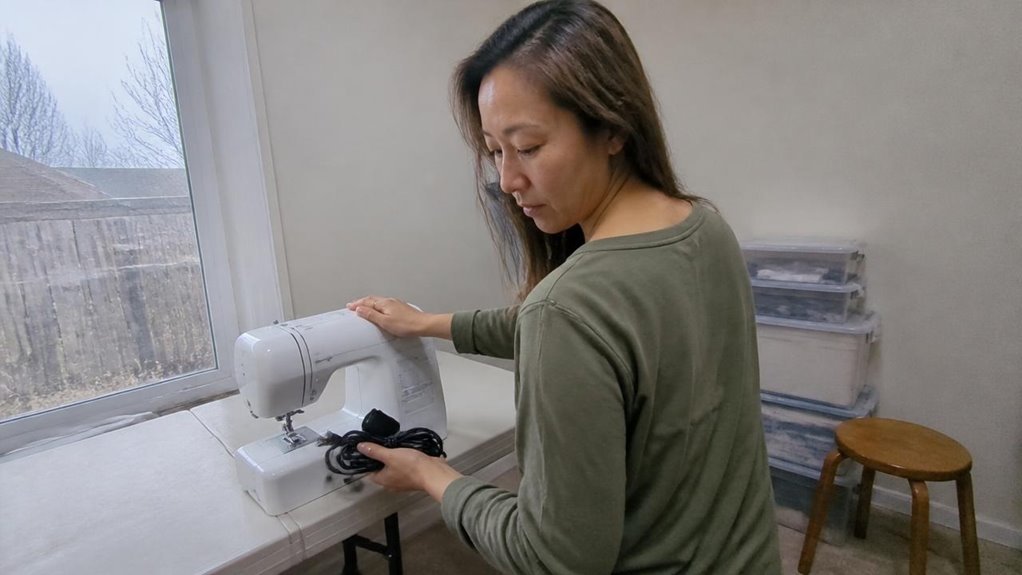
Before you grab any machine, weigh five key factors. Check the stitch options for everyday seams, automatic threading for your sanity, portability for tight spaces, a durable frame that won’t wobble, and the real value of included accessories like extra feet and bobbins.
Skipping these is like buying a car without checking the tires. Here’s the quick rundown to avoid a regretful purchase.
Check the stitch length and presser foot tension for common fabrics. A basic set of straight and zigzag stitches usually covers most projects.
Automatic threading saves time and frustration. It is a small feature that makes a big difference when you start sewing.
Portability matters if you plan to sew in different rooms or take classes. Look for a machine you can carry easily.
A sturdy frame keeps the machine steady while you work. Feed dogs should move smoothly without the body shaking.
Look at what comes in the box. Extra bobbins, a seam ripper, and a few presser feet add value. If the kit is bare, you will spend more later.
Keep safety in mind for any electrical parts. Follow the manufacturer instructions for cleaning and servicing.
Choose a machine that fits your space and your budget. The right model will support your learning without extra fuss.
Essential Stitch Options
When you’re choosing your first sewing machine, the built-in stitches matter most. Look for a model with 12 to 27 stitch options, including the essentials: straight, zigzag, and blind hem. That set covers most hems and repairs.
An automatic one-step buttonhole is non-negotiable. It creates consistent buttonholes without manual dials, which saves you time and frustration.
A stretch stitch is critical for knit fabrics. It lets seams flex without snapping or puckering.
Five to ten decorative stitches are useful for patches or simple quilting projects. You don’t need more than that to get started.
A reverse stitch function reinforces seams, but it’s not a selectable pattern. Prioritize the buttonhole and stretch stitch first. Those two features will keep your early projects smooth and simple.
Automatic Threading Ease
The automatic needle threader is your best friend, even if you don’t realize it yet. It uses a tiny hook to pull the thread through the eye, so you skip the squinting and swearing.
Look for one integrated into the threading path, reducing steps after bobbin winding. You’ll also want a jam-resistant drop-in top bobbin.
Just drop the bobbin in and close the top. The thread auto-guides through a tension spring and channel, with no manual fiddling.
Pair that with a clear, labeled diagram, and you’ll cut setup time in half. Check the specs for “automatic threader” and “drop-in bobbin” before you buy.
These features aren’t luxury: they’re sanity savers. Get them, and you’ll curse less, stitch more.
Portability and Storage
Portability and storage matter more than you think. You will likely move this machine around, so a 5-pound model spares your back. Most beginner-friendly options measure about 10.6 by 9.3 by 4.5 inches, which fits on any desk without needing a dedicated sewing room.
Lightweight plastic housing makes lifting easy. You trade metal for maneuverability.
An extension table gives you extra space for big quilts. It snaps off for stashing in a closet.
A free arm lets you sew cuffs and sleeves without wrestling a bulky machine. It also shrinks your footprint.
That sizing fits dorm rooms, apartments, or cramped corners without drama. Grab a compact version unless you enjoy strained biceps.
Do not skip the extension table. Your future self will thank you.
Durability and Frame
A flimsy plastic frame leads to wiggly stitches and frustration, even on the most compact machine. Metal frames absorb vibration, lock the needle in place, and stop the machine from dancing across your table when you push through denim. Plastic flexes under pressure, which shows up as uneven stitches.
Look for these frame features. Heavy-duty metal handles thick fabrics. A fixed needle bar prevents lateral drift. A stainless steel bedplate keeps fabric feeding smoothly.
Less vibration means less fabric shifting. That is the difference between “I sewed this” and “I fought this.” Fixed needle bars are non-negotiable for beginners.
Grab a metal-framed machine. Your straight lines depend on it, trust me.
Included Accessories Value
A cardboard box stuffed with plastic trays and mystery feet: that is the real test of a starter machine. You are buying a toolkit, not just stitches.
Look for six to ten presser feet upfront. Zipper, buttonhole, and blind hem feet save you a shopping trip later, which is pure value.
An extension table changes the game for quilting. It gives you a stable surface for bulky fabric.
Pre-threaded bobbins or a four-pack cut setup time, so you sew faster instead of fiddling. Don’t overlook the case or dust cover; it protects your investment.
A trilingual manual helps, trust me. Thread sets plus twin needles let you test stitches right away at no extra cost.
Check the box contents before you buy. If it is packed with practical gear, you have found a bargain.
A generous accessory bundle makes learning cheaper and less frustrating, so pick the one that is fully loaded. For any machine repair or electrical part replacement, always follow the manufacturer’s instructions.
Speed Control Features
Speed is the first thing you will handle on any beginner machine, and it is easier to master when the controls suit your needs. Choose a machine with dual speeds: slow works well for delicate curves, and standard handles straight lines.
Foot pedals give you hands-free control, but they can feel twitchy until your foot steadies. Push-button settings are simpler and provide consistent stitching with less feedback.
Watch out for machines rated at 1,100 stitches per minute, because they can bunch fabric before you can reach for a seam ripper. Start slow to build confidence, then increase speed when you move to thick denim.
Adjustable speed control is the feature that prevents fabric bunching and misaligned seams. Select it, and you will keep tension even and stitch length steady without fighting the machine.
Frequently Asked Questions
How Do I Thread a Bobbin Correctly?
To thread a bobbin correctly, place it on the winder and pass the thread through the tension disc before wrapping it around the bobbin a few times. Then engage the clutch and press the foot pedal to spin the winder until the bobbin is filled evenly.
A key tip is to hold the thread tail gently for the first few seconds to prevent loose wraps, which cause uneven stitches. For a smooth result, ensure the thread feeds off the bobbin in the direction indicated in your machine’s manual.
Check your manual for the correct tension disc path, as many machines differ. If the bobbin looks lumpy, unwind and retry, testing the stitch on scrap fabric. This process, also called winding a bobbin, takes less than a minute once you know your machine’s clutch setup.
What Maintenance Does a Sewing Machine Need?
Routine sewing machine maintenance keeps your machine running smoothly and prevents costly repairs. You need to dust it after each use, oil it per your manual, and always clean lint from the bobbin case.
Replace needles often, ideally every project or when you notice skipped stitches. Check the tension by sewing on scrap fabric, since machines and fabrics differ.
Give it a professional tune-up yearly, and follow the manufacturer’s instructions for any deeper cleaning. For electrical repairs, ask a qualified technician.
One concrete tip: use a small brush or compressed air to clear the feed dogs, a common lint trap. Always test your stitch length on a scrap piece before starting a real project.
How Do I Fix Skipped Stitches?
Skipped stitches are almost always a threading, needle, or tension issue, so start by rethreading your machine completely with the presser foot raised.
Then insert a fresh needle suited to your fabric, since a dull, bent, or wrong size needle is the most common culprit. Check your bobbin too; it should be wound evenly and inserted correctly, and test on scrap fabric to confirm the fix.
For tricky fabrics like knits or stretchy synthetics, try a ballpoint or stretch needle and adjust your stitch length slightly, but consult your machine manual for exact settings. If the problem persists after cleaning the tension discs and checking the timing, it may need a service, so don’t hesitate to ask a qualified technician.
Can I Sew Stretchy Fabrics With a Beginner Machine?
Yes, you can sew stretchy fabrics with a beginner machine, provided you adjust your technique and tools. Use a ballpoint needle and a stretch stitch, like a narrow zigzag or lightning stitch, to prevent skipped stitches and popped seams.
Test your stitch on a scrap of the same fabric first, since machine settings vary. If the fabric puckers or stretches out, check your manual for a lower presser foot tension. You can also try a walking foot to feed layers evenly, or use a stabilizer along tricky seams like necklines.
For most knits, a standard straight stitch won’t work, so always switch to a stretch stitch or a twin needle for hems. In my experience, a zigzag stitch with a 2.5 mm length and 0.5 mm width is a safe starting point, but confirm with a test. This approach suits lightweight jersey and ribbed fabrics alike.
What Accessories Are Included in the Box?
The box includes plastic feet, bobbins, needles, a seam ripper, spool caps, a dust cover, and a threading tool. That is the complete list, so do not expect extra gadgets or hidden accessories.
These basics cover most starter needs, but you will likely replace the plastic feet with metal ones later for better durability. Check your machine manual to confirm which foot types fit your model, since compatibility varies.
Keep the seam ripper in a dedicated drawer or pin cushion, not loose in the box, to avoid losing it. For threading, use the included tool and test on scrap fabric first, because tension and needle size depend on your project.
In my experience, the dust cover is the most used item after the bobbins. If you need more options, search for “sewing machine accessory kit” to find compatible extras.
Rounding Up
Start simple with a real machine like the XM2701 or the 4423, because that is what makes beginners look pro.
Check that your machine handles 27 stitches for mending, and test it on scrap fabric before you sew a real seam. Compare the 4423’s 1,100 SPM against the XM2701’s lightweight threading to see which feels right. Skip the mini portables, since they are training wheels that never come off.
Practice often, and your seams will thank you. Your bottom line is to get a real machine, then sew.