Choosing the right sewing machine for making clothes starts with knowing which features actually matter for garments, not crafts. You are likely at your sewing table right now wrestling with skipped stitches on a stretch fabric, a tangled bobbin, or a presser foot that just will not cooperate with your pattern pieces.
This roundup compares seven machines across stitch variety, portability, and durability, from the Brother XM2701’s 27 stitches to the Singer 4411’s heavy duty build, so you can match a model to your daily sewing load.
Let’s break down the full list and find the one that fits your sewing corner.
How We Tested
Specifications focus on features that reduce beginner frustration and support garment construction. You can compare the automatic needle threader, jam resistant drop-in bobbin, and clear threading guides for ease of use. Check the metal frame and fixed needle bar for stitch stability, plus the number of built-in stitches, one-step buttonholes, and reverse lever for garment versatility. Lightweight builds with handles or storage bags are also worth comparing for portability.
Value depends on how well the documented features match your immediate sewing needs. The included practice fabric, bobbins, scissors, and tool kits offer a practical starting point, so weigh those against the machine’s stitch options and durability features. Readers can assess whether the listed ease of use and stability justify the investment for their first clothing projects, without relying on price comparisons.
Editorial judgment can be applied by reviewing how the documented differences align with your skill level and workspace. Since the source does not state that we purchased or tested these machines, you should judge each model by the presence of beginner aids and construction quality. Prioritize the models whose specifications, such as the metal frame or threading aids, best match the type of garments you intend to sew.
| KPCB Tech Mini Sewing Machine for Beginners | 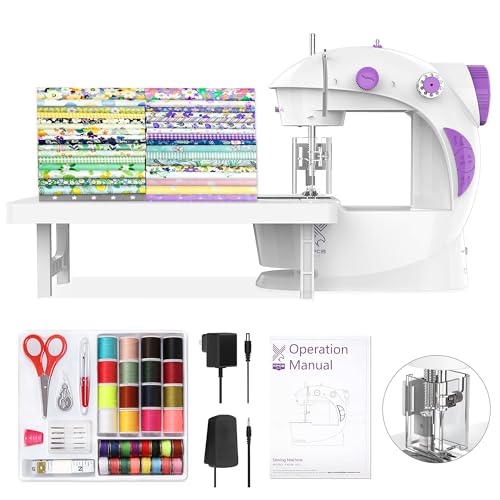 | Best for Safety | Machine Type: Mini portable electric | Power Source: AC adapter | Stitch Options: Basic double-thread stitching | SEARCH BEST PRICE | Read Our Analysis |
| Portable Sewing Machine for Beginners with 12 Stitches |  | Best for Beginners | Machine Type: Portable compact electric | Power Source: AC adapter or 4 AA batteries | Stitch Options: 12 built-in stitches | SEARCH BEST PRICE | Read Our Analysis |
| Brother XM2701 Portable Sewing Machine 27 Stitches |  | Most Versatile | Machine Type: Portable compact electric | Power Source: 120V AC | Stitch Options: 27 built-in stitches | SEARCH BEST PRICE | Read Our Analysis |
| Pllieay Electric Mini Sewing Machine 12 Built-in Stitches |  | Best Value Kit | Machine Type: Portable mini electric | Power Source: AC adapter or 4 AA batteries | Stitch Options: 12 stitch patterns | SEARCH BEST PRICE | Read Our Analysis |
| Singer 4411 Pink Heavy Duty Sewing Machine |  | Heavy-Duty Pick | Machine Type: Heavy-duty full-size electric | Power Source: Electric motor | Stitch Options: 11 built-in stitches | SEARCH BEST PRICE | Read Our Analysis |
| Mini Electric Handheld Sewing Machine for Beginners |  | Most Portable | Machine Type: Handheld mini electric | Power Source: 4 AA batteries or USB | Stitch Options: Basic handheld stitching | SEARCH BEST PRICE | Read Our Analysis |
| Brother CS5055 Computerized Sewing Machine with LCD Display |  | Tech-Forward Choice | Machine Type: Computerized full-size electric | Power Source: 120V AC | Stitch Options: 60 built-in stitches | SEARCH BEST PRICE | Read Our Analysis |
| TUZT Mini Sewing Machine Toy Kit for Kids |  | Best for Kids | Machine Type: Mini children’s toy electric | Power Source: Battery or USB | Stitch Options: Basic toy stitching | SEARCH BEST PRICE | Read Our Analysis |
| Brother SE700 Sewing and Embroidery Machine Wireless LAN | 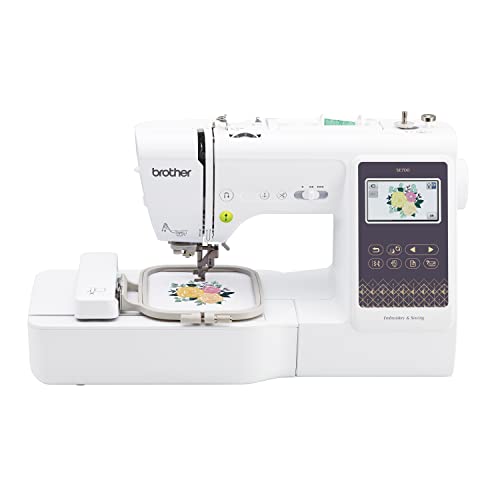 | Best for Crafting | Machine Type: Sewing and embroidery combo | Power Source: 120V AC | Stitch Options: 103 sewing stitches + 135 embroidery designs | SEARCH BEST PRICE | Read Our Analysis |
| Portable Mini Electric Sewing Machine with Kit |  | Complete Starter Kit | Machine Type: Portable mini electric | Power Source: DC adapter | Stitch Options: Basic electric stitching | SEARCH BEST PRICE | Read Our Analysis |
More Details on Our Top Picks
KPCB Tech Mini Sewing Machine for Beginners

Best for Safety
This mini machine is a complete starter kit for the total novice, bundling the tools and tutorials you need to begin sewing immediately. It handles basic patches, hemming, and school projects with a protective finger guard and dual speed options to build confidence.
Best for: True beginners who want a low cost entry point, since the full kit includes 20 cotton squares, bobbins, scissors, a thimble, and a needle threader.Biggest strength: The double thread mechanism sews through five fabric layers without knots, a surprising capability for a portable machine under $50.Not ideal if: You plan to sew clothes daily, as you will outgrow this model fast and need a heavier motor for constant use.How it compares: It is the lightest pick here with the most generous accessory bundle, though its speed control only offers two fixed speeds rather than a variable dial.- Machine Type:Mini portable electric
- Power Source:AC adapter
- Stitch Options:Basic double-thread stitching
- Intended Use:Patchwork, school projects, sewing practice
- Brand:KPCB Tech
- Color:White
- Additional Feature:Finger guard protection
- Additional Feature:Dual stitching speeds
- Additional Feature:Includes practice fabric squares
Portable Sewing Machine for Beginners with 12 Stitches
Best for Beginners
The Buvnatep SM-505A is a portable sewing machine built for beginners who want to start sewing without a steep learning curve. It handles hems, buttonholes, and small crafts right away, with a lightweight body that moves easily between rooms or to a class.
Best for: New sewists who want a low cost, low fuss way to finish simple projects like pillowcases or tote bags.Biggest strength: The reverse sewing lever reinforces seams with one push, so you can lock stitches at the start and end without rethreading.Not ideal if: You plan to sew thick layers like denim or canvas, because the motor lacks the torque for heavy fabrics.How it compares: Among the entry level picks here, this one is the lightest and most portable, and it is the only model with a start/stop button that lets you sew without the foot pedal.- Machine Type:Portable compact electric
- Power Source:AC adapter or 4 AA batteries
- Stitch Options:12 built-in stitches
- Intended Use:Garment repairs, alterations, DIY crafts
- Brand:Buvnatep
- Color:Purple
- Additional Feature:Factory tested before shipment
- Additional Feature:Forward and reverse sewing
- Additional Feature:Automatic bobbin winding
Brother XM2701 Portable Sewing Machine 27 Stitches
Most Versatile
The Brother XM2701 is a portable sewing machine built for beginners who want to start making clothes without a steep learning curve. It delivers a solid set of features for light to medium projects, so you can move from setup to stitching quickly.
Best for: You, if you’re new to sewing clothes and need a best sewing machine for beginners that covers basic seams, hems, and simple repairs right away.Biggest strength: The 27 built in stitches, including stretch and decorative options, plus the automatic needle threader that saves you from squinting and cursing at the needle.Not ideal if: You plan to sew thick layers like denim or canvas for hours, since this light weight machine lacks the motor power for heavy duty sewing work.How it compares: It’s one of the lightest picks here at under five pounds, so you can move it from table to shelf easily, but the smaller throat space limits big quilting projects compared to larger models.- Machine Type:Portable compact electric
- Power Source:120V AC
- Stitch Options:27 built-in stitches
- Intended Use:General sewing, cuffs, sleeves, pant legs
- Brand:Brother
- Color:White
- Additional Feature:Automatic needle threader
- Additional Feature:Jam-resistant drop-in bobbin
- Additional Feature:Free arm for cuffs
Pllieay Electric Mini Sewing Machine 12 Built-in Stitches
Best Value Kit
The Pllieay Electric Mini Sewing Machine pairs 12 built-in stitches with a compact frame that travels anywhere. It handles silks to denim for beginners who want a bag-ready backup or starter unit.
Best for: Beginners who need a portable, low priced entry point for mending and light craft sewing at home or on the road.Biggest strength: The value packed kit includes fifty 10 inch fabric squares, scissors, a tool kit, and a storage bag, so you can start stitching right away.Not ideal if: You need a heavy duty sewing machine for thick layers or long projects, since the small motor and lightweight build favor occasional use over marathon sessions.How it compares: Unlike pricier full size models with metal frames and larger throat space, this one weighs next to nothing and runs on AC or 4 AAs, making it the most travel friendly pick here.- Machine Type:Portable mini electric
- Power Source:AC adapter or 4 AA batteries
- Stitch Options:12 stitch patterns
- Intended Use:General sewing, delicate to denim projects
- Brand:Pllieay
- Color:White
- Additional Feature:Includes storage bag and fabric
- Additional Feature:Adjustable stitch width/length
- Additional Feature:Handles delicate to sturdy fabrics
Singer 4411 Pink Heavy Duty Sewing Machine
Heavy-Duty Pick
The Singer 4411 Pink is a heavy duty sewing machine built for beginners who want to tackle denim and other thick fabrics without frustration. Its reinforced metal frame and stronger motor push through tough layers at speed, so you can finish projects on time.
Best for: A beginner sewer focused on denim, canvas, or leather projects who needs a dependable, high speed machine.Biggest strength: The motor is 60% stronger than standard models, stitching at 1,100 stitches per minute without stalling on heavy material.Not ideal if: You need a wide variety of decorative stitches, since the 11 built in options cover basics but not advanced embroidery patterns.How it compares: This is the pinkest pick here, but it also comes with 4 presser feet, a quilting guide, and a soft cover, making it a complete kit for everyday DIY.- Machine Type:Heavy-duty full-size electric
- Power Source:Electric motor
- Stitch Options:11 built-in stitches
- Intended Use:High-volume sewing, denim/canvas/leather, DIY
- Brand:Singer
- Color:Pink
- Additional Feature:60% stronger motor
- Additional Feature:1,100 stitches per minute
- Additional Feature:Metal frame construction
Mini Electric Handheld Sewing Machine for Beginners
Most Portable
The Mini Electric Handheld Sewing Machine is a compact, battery powered tool for quick clothing repairs on the go. It lets you sew a straight stitch through light to medium fabrics without needing a table or a power outlet.
Best for: Beginners fixing a loose hem or a small tear, especially while traveling, since it fits in a bag and runs on 4 AA batteries or a USB cable.Biggest strength: Its portability, as you press one button to stitch and you are not tied to a wall outlet, making it the lightest pick here for everyday wardrobe emergencies.Not ideal if: You need a steady seam on thick layers, because it handles fabric up to 1.8mm thick, so quilting or heavy duty sewing is out of its reach.How it compares: It lacks the throat space and motor power of a full sewing machine, but the starter kit with needles, scissors, measuring tape, and fabric pieces makes it a budget friendly companion for practice fixes.- Machine Type:Handheld mini electric
- Power Source:4 AA batteries or USB
- Stitch Options:Basic handheld stitching
- Intended Use:Quick repairs, hems, patches, travel mending
- Brand:GDMONIN
- Color:White
- Additional Feature:Handheld compact design
- Additional Feature:Sews up to 1.8mm thickness
- Additional Feature:Includes seven fabric pieces
Brother CS5055 Computerized Sewing Machine with LCD Display
Tech-Forward Choice
The Brother CS5055 is a computerized sewing machine built for beginners who want a smooth start with reliable, automated help. It handles everyday garment and craft projects with a metal frame that keeps stitching stable and a larger workspace for roomier pieces.
Best for: First time clothing makers who want a forgiving machine with automatic threader and jam resistant drop in bobbin.Biggest strength: The fixed needle bar and metal chassis deliver clean, even stitches without wobble during longer sewing sessions.Not ideal if: You need heavy duty power for thick layers like denim or canvas, since motor strength is modest for a beginner model.How it compares: It offers 60 stitches and 7 one step buttonholes on an LCD screen, which is more versatility than the lightest picks here at a similar price tier.- Machine Type:Computerized full-size electric
- Power Source:120V AC
- Stitch Options:60 built-in stitches
- Intended Use:Utility, decorative, heirloom sewing
- Brand:Brother
- Color:White
- Additional Feature:LCD display screen
- Additional Feature:7 one-step buttonholes
- Additional Feature:Fixed needle bar precision
TUZT Mini Sewing Machine Toy Kit for Kids
Best for Kids
This little purple machine is sized for small hands and creates its own happy kind of stitching chaos. It comes with 32 pieces, including cloth bags and doll fabric, enough for 16 crafts like bag charms or doll outfits.
Best for: Kids aged 4 to 12 who want a pre-assembled first machine without any screw wrestling.Biggest strength: The finger guard keeps tiny digits safe while they learn focus and patience.Not ideal if: You need a machine for real fabric projects like pillows, since this toy handles light doll cloth only.How it compares: It is the lightest and most portable pick here, running on USB or battery, yet it lacks any speed control for older kids.- Machine Type:Mini children’s toy electric
- Power Source:Battery or USB
- Stitch Options:Basic toy stitching
- Intended Use:Children’s crafts, doll clothes, gifts
- Brand:TUZT
- Color:Purple
- Additional Feature:32-piece craft kit
- Additional Feature:Creates 16 crafts
- Additional Feature:Designed for ages 4-12
Brother SE700 Sewing and Embroidery Machine Wireless LAN
Best for Crafting
The Brother SE700 is a two-in-one sewing and embroidery machine built for beginners who want to explore both crafts without managing separate devices. It gives you a single station to sew garments and stitch out monogrammed designs, so you can move from one project to the next without rethreading or rehooping.
Best for: A beginner who wants a best sewing machine for beginners that also embeds embroidery, with a 4×4 inch hoop for monograms and small motifs.Biggest strength: The 3.7 inch touchscreen lets you edit and preview your design before you stitch, so you can fix placement errors on screen rather than unpicking fabric.Not ideal if: You want a heavy duty sewing machine for thick layers like denim or canvas, because this model focuses on general sewing and light embroidery rather than high fabric stack handling.How it compares: It has more stitches than most two-in-one picks here at 103, plus 135 built in designs, but it sits in a higher price tier than a basic sewing only unit.- Machine Type:Sewing and embroidery combo
- Power Source:120V AC
- Stitch Options:103 sewing stitches + 135 embroidery designs
- Intended Use:Sewing and embroidery projects
- Brand:Brother
- Color:White
- Additional Feature:135 built-in embroidery designs
- Additional Feature:3.7-inch LCD touchscreen
- Additional Feature:Wireless LAN file transfer
Portable Mini Electric Sewing Machine with Kit
Complete Starter Kit
The GDMONIN JYSM-301 is a compact, portable electric sewing machine that comes with a 57 piece accessory kit, designed to get you through your first projects without the intimidation of a full size model. It lets you handle light to medium fabrics, loose seams, and small repairs with steady power from a DC adapter, so you never worry about batteries.
Best for: Beginners who want a starter kit that includes thread spools, bobbins, scissors, and a seam ripper, making it a practical pick for the best sewing machine for beginners.Biggest strength: Two speed options let you learn slowly, while a foot pedal frees your hands, which helps you focus on stitching straight lines without rushing.Not ideal if: You plan to sew heavy denim or thick layers, since this machine is not built for that and will struggle with the fabric feed.How it compares: Unlike a heavier quilting machine with a larger throat space, this lightweight option relies on a removable extension table for stability, and it keeps the price tier low for casual use.- Machine Type:Portable mini electric
- Power Source:DC adapter
- Stitch Options:Basic electric stitching
- Intended Use:DIY crafts, repairs, lightweight hems
- Brand:GDMONIN
- Color:Green
- Additional Feature:57-piece accessory kit
- Additional Feature:Removable extension table
- Additional Feature:DC adapter plug-in power
Factors to Consider When Choosing a Sewing Machine for Beginners Making Clothes
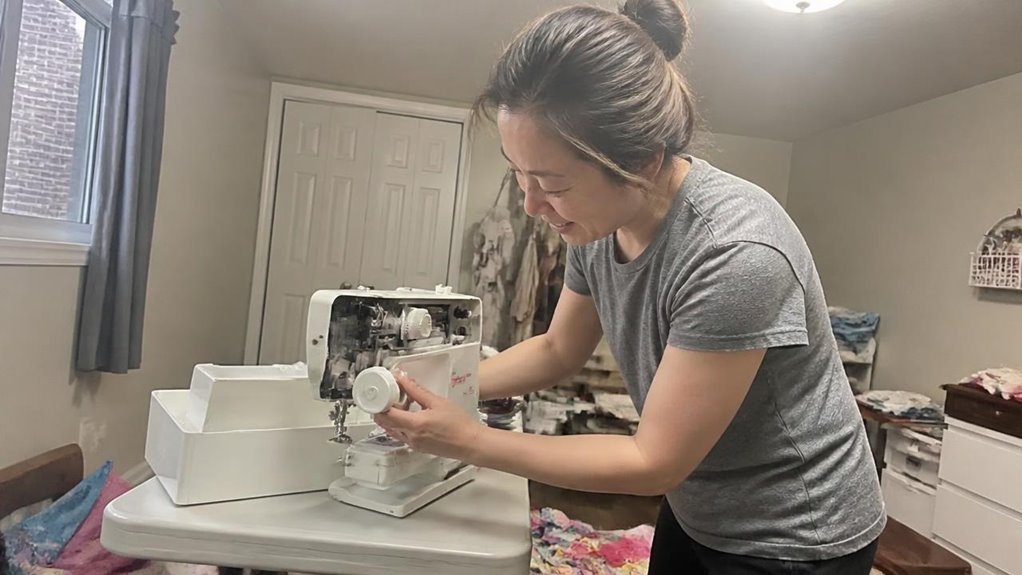
Choosing a sewing machine is picking your first accomplice in fabric rebellion, so focus on five specs: stitch options, ease of use, durability, portability, and included accessories.
You need a straight stitch and a zigzag for seams and edges, but don’t chase 50 fancy patterns you will never use.
Ease of use means threading the bobbin without swearing, and durability means the machine survives more than three projects.
A 10-pound machine saves your back, and included accessories save your money.
Check the tension dial and feed dogs before you buy, because they affect stitch length and fabric handling.
If a machine makes you hate sewing, you will quit, so weigh these factors like you are picking a reliable gym buddy, not a flashy one that breaks.
Stitch Options
You really need only about a dozen workhorse stitches to sew clothes that hold together. Look for 10-12 built-ins covering straight, zigzag, and stretch for basic seams and hems.
Don’t skip buttonholes. A four-step or automatic one-step function saves you from hand-sewing closures on shirts, pants, and dresses.
Blind hem and stretch stitches handle knits and create invisible hems on woven skirts or trousers. Adjustable stitch length and width let you dial in density for silky chiffon or medium denim.
Decorative patterns are fun but non-essential. Save them for topstitching flair later.
More stitches seem sexier, but you’ll really use the same six repeatedly. Prioritize those functional stitches over flashy numbers.
Adjust tension and presser foot pressure when you switch fabrics. Feed dogs work best with a light touch on delicate material.
A reliable seam allowance guide on the throat plate keeps your stitching straight. Keep interfacing handy for stable collars and cuffs, and you’re set.
Ease Of Use
Ease of use separates a joy from a chore. You don’t want a machine that fights you before you thread the needle.
Look for clearly labeled threading guides. They cut setup confusion dramatically.
A jam-resistant, drop-in top bobbin system is a lifesaver. You’ll swap bobbins in seconds without fiddling underneath the machine, minimizing mid-project interruptions.
You absolutely need an automatic needle threader. It eliminates eye strain and saves you from daily frustration.
Dual speed controls are vital. You’ll start at a slow, controlled pace, then advance once you build confidence.
Many beginners additionally appreciate a built-in start/stop button. It lets you bypass the foot pedal entirely if you struggle with variable pressure.
- Threading guides: Reduces setup pain.
- Drop-in bobbin: Simple and reliable.
- Dual speed: For measured, steady progress.
Prioritize these features first. They’ll make your early projects feel like a breeze, not a battle.
Machine Durability
A beginner sewing clothes needs a machine that can survive mistakes, jammed threads, and thick denim. A flimsy plastic frame won’t handle that, so choose a metal or aluminum body instead.
That solid frame cuts vibration and keeps everything aligned. A metal hook and fixed needle bar keep stitches consistent, even when you’re wrestling with canvas.
Heavier machines, over ten pounds, resist tipping and feel sturdier on your table. Check for a duty cycle rating, which means the motor is tested for long runs without overheating.
A higher speed, like 1,100 stitches per minute, hints at a robust motor that won’t die mid-project. Skip the featherweight budget models and buy something with heft and metal guts.
Your future self, knee-deep in a muslin toile, will thank you.
Portability & Storage
Many beginners overlook portability, assuming any machine that sews straight is fine. That becomes a mistake when you haul it up three flights of stairs for a craft night.
Choose a compact model under 10 pounds so you are not wrestling a brick. A built-in handle or storage bag simplifies transport and keeps dust off.
Look for a small footprint, 12 to 15 inches long, to fit on cramped desks. A removable extension table or free arm cuts storage height and lets you sew cuffs without bulk.
For apartment living, dual-power (AC or batteries) lets you stitch anywhere, though batteries add weight. Check the handle; flimsy plastic snaps.
Measure your closet shelf before you buy. Always pick a lighter machine with a free arm.
Included Accessories
The accessory kit separates a miserable first week from a productive one. You get twenty 8-inch cotton practice squares, so you can wreck those before touching your good fabric.
Look for bobbins, a seam ripper, scissors, a measuring tape, a thimble, and a needle threader. These save your sanity.
A removable extension table gives you stable workspace for hemming. A foot pedal provides hands-free control.
Do not ignore the manual. Multilingual versions in English, Spanish, French, German, and Italian mean you will troubleshoot without crying.
High-end packs include multiple presser feet, a twin needle, and extra bobbins. My verdict: do not skimp on the kit.
Buy the bundle, not the box. That is your insurance against a wobbly first seam.
Frequently Asked Questions
What Is the Best Stitch for Hemming Stretchy Jersey?
The best stitch for hemming stretchy jersey is a narrow zigzag or a twin needle, as both stretch with the fabric and prevent popped seams. A straight stitch will break under tension, so always avoid it for knit hems.
Use a stretch stitch if your machine has one, since it creates a flexible line that moves with the jersey. For a clean finish, try a twin needle with a slight zigzag effect on the right side, which mimics a ready-to-wear hem.
Test your stitch on a scrap of the same fabric first, because machines and knits vary in stretch and thickness. Check your machine manual for the recommended needle size, typically a ballpoint or jersey needle, and adjust the stitch length until the fabric lies flat without tunneling.
If you are new to knits, practice on a folded hem sample before sewing the actual garment. A related term to search is “coverstitch hem,” which offers a professional alternative for stretchy fabrics.
How Do I Adjust Bobbin Tension on a Mini Sewing Machine?
To adjust bobbin tension on a mini sewing machine, locate the tiny screw on the bobbin case and turn it clockwise to tighten or counterclockwise to loosen. Always test the stitch on scrap fabric after each small turn, since even a quarter rotation can make a big difference.
Work in tiny increments, then check the thread pull; the bobbin thread should sit smoothly within the fabric, not loop or pucker. If the thread snaps, you have gone too far, so back the screw off slightly.
For a practical tip, hold the bobbin case by its latch and give the thread a gentle tug: it should slide with a slight resistance, not drop freely. This quick check helps you match the upper thread tension without guesswork.
Remember that fabric thickness and thread weight change the ideal setting, so always test on a folded scrap piece. Check your manual for the basic bobbin tension range, since mini machines vary by model and brand.
Why Does My Sewing Machine Jam When Starting a Seam?
Your sewing machine jams when starting a seam because you are likely beginning too fast or letting the fabric get pulled out of alignment. Slow down your start, and always lower the presser foot before you stitch.
Check that the upper thread is correctly threaded through every guide and tension disc. Then hold both thread tails firmly behind the presser foot as you take the first two stitches.
Do not pull the fabric; instead, guide it gently with your fingertips. For a smoother start, use a new needle in a size suited to your fabric, and test your stitch length on a scrap piece first.
If the jam persists, inspect the bobbin area for loose lint or a miswound bobbin case. In my experience, cleaning the feed dogs and rethreading from scratch solves most issues. For stubborn problems, check your machine manual or consult a qualified technician.
What Needle Size Is Best for Lightweight Cotton Fabrics?
For lightweight cotton fabrics, a 70/10 or 80/12 needle is the best choice to prevent skipped stitches and puckering. Start with a fresh needle, as a dull point can drag the delicate weave and cause uneven seams.
Set your stitch length to a standard 2.0 to 2.5 mm, which works well for most cotton lawns and voiles. Always test on a scrap piece of the same fabric first, since tension and presser foot pressure vary between machines.
If you notice any pulling, try a sharps needle (also called a microtex) for an even finer point. In my experience, a quick scrap test with a new needle saves time and gives you perfectly smooth, professional results.
How Do I Prevent Fabric From Shifting While Sewing Curves?
To prevent fabric from shifting while sewing curves, stabilize the fabric with your hands close to the needle and use a shorter stitch length.
Keep your fingers steady without pulling, and let the feed dogs guide the material naturally. Coax the fabric through, rather than forcing it, which helps maintain even curve shapes.
For slippery or stretchy fabrics, try basting the curved edges first with a long stitch, then sew your final line. You can also test different needle sizes on scrap fabric, since machines and fabrics vary. Check your manual for recommended settings.
A walking foot or tissue paper under the fabric can reduce slipping, but test on scraps first. Slow your speed and keep your eyes on the seam allowance, not the needle.
Rounding Up
The best sewing machine for a beginner making clothes is the Brother XM2701, with its 27 stitches and automatic needle threader near the $90 price point. It is forgiving, so you can focus on learning rather than fighting the tool.
Check your fabric type and adjust the stitch length for each seam you sew today. Test the automatic needle threader on a scrap piece before you start your project, and keep those 27 stitches simple.
Plan to outgrow this machine eventually, since that means your skills are improving. Use the presser foot pressure and stitch settings exactly as the article suggests, and do not skip practice.
Remember, your first machine won’t make you a pro, and practice does, so buy smart and sew often. When seams go sideways, that’s on you, so keep at it.