Choosing the right sewing bobbin can mean the difference between smooth, even stitches and frustrating thread jams. If you are dealing with skipped stitches, uneven tension, or a mess of tangled thread under your presser foot, you know how much a quality bobbin matters. This guide breaks down the best plastic and metal Class 15 options for beginners, color variety, and heavy duty work, plus how to test fit before you buy.
Keep reading to find the perfect bobbin for your next project.
How We Tested
Specifications that matter here include bobbin class, size, and material, since these directly affect tension and snagging during dense stitching. You can check your machine manual for the class, and compare plastic versus metal options for smoothness and rust resistance, without assuming we weighed one type over another.
Value depends on how well a bobbin fits its intended task, such as embroidery or heavy stitching, where prewound polyester types resist breaking. Since the source does not list prices, you can evaluate cost effectiveness by matching documented features like thread level visibility in transparent cases to your specific sewing needs.
Editorial judgment comes down to verifying fit before committing to a bulk purchase, as the source notes that a single test bobbin can prevent jams. Readers can judge which option suits them by comparing organized storage cases and burr free surfaces, while we do not claim to have tested any products ourselves.
| Eoehro 25 Class 15 Plastic Bobbins with Case |  | Best Basic Pick | Bobbin Type: Class 15 (SA156) | Material: Plastic | Quantity (Number of Bobbins): 25 | SEARCH BEST PRICE | Read Our Analysis |
| ilauke 210 Prewound Bobbins 36 Colors |  | Best Value | Bobbin Type: Class 15 (SA156) | Material: Plastic | Quantity (Number of Bobbins): 210 | SEARCH BEST PRICE | Read Our Analysis |
| 50 Plastic Sewing Bobbins for Brother and Singer | 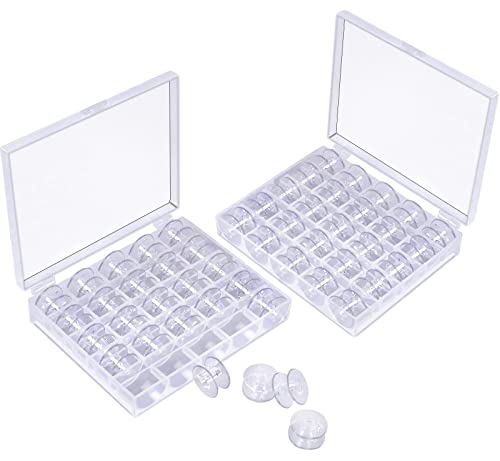 | Budget-Friendly Pick | Bobbin Type: Class 15 (SA156) | Material: Plastic | Quantity (Number of Bobbins): 50 | SEARCH BEST PRICE | Read Our Analysis |
| 72-Piece Professional Sewing Thread Kit with Bobbins |  | Most Durable | Bobbin Type: Class 15 (SA156) | Material: Plastic (implied) | Quantity (Number of Bobbins): 36 (matching prewound bobbins) | SEARCH BEST PRICE | Read Our Analysis |
| Janome 10-Pack Plastic Bobbins for All Janome Models | Top Front Load |  | Brand Specific | Bobbin Type: Class 15 (SA156) (Janome standard) | Material: Plastic | Quantity (Number of Bobbins): 10 | SEARCH BEST PRICE | Read Our Analysis |
| YEQIN 20 Pack Class 15 Sewing Machine Bobbins |  | Best For Starters | Bobbin Type: Class 15 (SA156) | Material: Plastic | Quantity (Number of Bobbins): 20 | SEARCH BEST PRICE | Read Our Analysis |
| Plastic Sewing Machine Bobbins Class 15 (50 Pcs) |  | Large Capacity | Bobbin Type: Class 15 (SA156) | Material: Plastic | Quantity (Number of Bobbins): 50 | SEARCH BEST PRICE | Read Our Analysis |
| Metal Class 15 Bobbins for Singer Brother Janome |  | Most Versatile | Bobbin Type: Class 15 (SA156) | Material: Metal (steel) | Quantity (Number of Bobbins): 28 | SEARCH BEST PRICE | Read Our Analysis |
| Eoehro 72-Piece Sewing Thread Kit (36 Colors) |  | All-In-One Kit | Bobbin Type: Class 15 (SA156) | Material: Plastic (implied) | Quantity (Number of Bobbins): 36 (matching prewound bobbins) | SEARCH BEST PRICE | Read Our Analysis |
| LOKUNN 25 Plastic Sewing Bobbins (SA156) |  | Compact Pick | Bobbin Type: Class 15 (SA156) | Material: Plastic | Quantity (Number of Bobbins): 25 | SEARCH BEST PRICE | Read Our Analysis |
More Details on Our Top Picks
Eoehro 25 Class 15 Plastic Bobbins with Case

Best Basic Pick
The Eoehro 25 Class 15 Plastic Bobbins with Case is a practical accessory set for new sewists. It gives you a dependable supply of bobbins and organized storage so you can focus on learning your craft.
Best for: Beginners who need a ready stash of standard bobbins without hunting for loose pieces.Biggest strength: The clear case with individual slots keeps all 25 bobbins organized and easy to find.Not ideal if: You own a machine that uses a different bobbin class, since these only fit Class 15 and SA156 models.How it compares: Unlike pricier metal bobbin sets, this plastic option is the most affordable way to stock up for everyday sewing.- Bobbin Type:Class 15 (SA156)
- Material:Plastic
- Quantity (Number of Bobbins):25
- Thread Included:No (empty)
- Storage Case Included:Yes (clear case)
- Compatibility:Most sewing machines (Class 15)
- Additional Feature:Model FR-22
- Additional Feature:Individual slot storage
- Additional Feature:Customer support available
ilauke 210 Prewound Bobbins 36 Colors
Best Value
1. These ilauke bobbins give you a full color library for everyday sewing without buying individual spools. You get 210 prewound bobbins that fit standard Class 15 machines and keep your mending projects moving.
Best for: Home sewers who want quick color changes for knit fabric, silk, or swimwear projects.Biggest strength: The 40/2 Tex30 thread is soft yet sturdy, and the set covers 36 colors with reusable bobbins.Not ideal if: You need a heavy duty thread for thick denim or canvas, since this is a lighter weight option for daily mending.How it compares: This is the value pick here, offering the most color variety for the lowest price tier without requiring spool purchases.- Bobbin Type:Class 15 (SA156)
- Material:Plastic
- Quantity (Number of Bobbins):210
- Thread Included:Yes (prewound, multicolor)
- Storage Case Included:No (not mentioned)
- Compatibility:Brother, Babylock, Janome, Singer, Kenmore, Juki, Elna, Quantum Futura
- Additional Feature:10 extra white/black bobbins
- Additional Feature:Reusable after depletion
- Additional Feature:10+ brand compatibility
50 Plastic Sewing Bobbins for Brother and Singer
Budget-Friendly Pick
50 clear plastic bobbins in two storage cases give you a steady supply for everyday sewing without stopping to wind more. They fit most household machines and keep thread color sorted neatly for quick changes.
Best for: Sewists who want a low cost, dependable stock of bobbins for Brother or Singer machines and dislike rewinding mid project.Biggest strength: The smooth, burr free plastic lets thread run without snags or breaks, so your stitches stay even.Not ideal if: You own an older machine that uses a taller bobbin or a specific metal only type, since these measure the standard 2 by 1.1 cm size.How it compares: Unlike a single metal bobbin pack, this set includes two clear cases with separate slots, making it the most portable option here for travel.- Bobbin Type:Class 15 (SA156)
- Material:Plastic
- Quantity (Number of Bobbins):50
- Thread Included:No
- Storage Case Included:Yes (2 transparent cases)
- Compatibility:Brother, Babylock, Janome, Singer (most household)
- Additional Feature:2×1.1 cm size measurement
- Additional Feature:Travel-friendly case
- Additional Feature:24/7 chat support
72-Piece Professional Sewing Thread Kit with Bobbins
Most Durable
1. This 72-piece sewing thread kit pairs 36 unique colors with prewound bobbins, so you can match any fabric without stopping to rewind. Its AAA-grade polyester core and four-ply tight-twist build give you a durable thread that handles fast machine work and hand stitching alike.
Best for: Crafters who sew often and want a color range that covers denim, canvas, and delicate linen without buying separate spools.Biggest strength: The nano-treated surface cuts friction by 60%, so the thread glides smoothly and rarely snaps at high stitch speeds.Not ideal if: You need a thread for heavy upholstery work, since this set is built for everyday garments and light to medium fabrics, not thick webbing or leather.How it compares: It offers twice the strength of standard threads and includes prewound bobbins, so it beats most entry level kits on durability and convenience without jumping to a professional price tier.- Bobbin Type:Class 15 (SA156)
- Material:Plastic (implied)
- Quantity (Number of Bobbins):36 (matching prewound bobbins)
- Thread Included:Yes (prewound bobbins)
- Storage Case Included:Yes (clear bobbin case)
- Compatibility:Singer, Brother, Janome, Juki, Bernina, Consew, etc.
- Additional Feature:AAA-grade polyester core
- Additional Feature:Zero breakage lab-tested
- Additional Feature:OEKO-TEX certified safety
Janome 10-Pack Plastic Bobbins for All Janome Models | Top Front Load
Brand Specific
Genuine Janome bobbins in a practical 10 pack, ready for top or front load models. You avoid tension guesswork and keep spare thread holders on hand for any project.
Best for: Janome owners who want a dependable stash of spares without checking compatibility across different machine generations.Biggest strength: Clear plastic lets you see thread levels at a glance, so you never run out mid seam.Not ideal if: You prefer metal bobbins for heavier fabrics, since plastic can flex under high tension on a heavy duty sewing machine.How it compares: This 10 pack lands under $20, making it the most economical choice here versus single metal spares that cost more per piece.- Bobbin Type:Class 15 (SA156) (Janome standard)
- Material:Plastic
- Quantity (Number of Bobbins):10
- Thread Included:No
- Storage Case Included:No
- Compatibility:All Janome models (top/front load)
- Additional Feature:Genuine Janome accessory
- Additional Feature:Stitch precision preservation
- Additional Feature:Wear/cracking resistance
YEQIN 20 Pack Class 15 Sewing Machine Bobbins
Best For Starters
These bobbins give you a reliable foundation for everyday sewing projects, ensuring you always have spares on hand. They are a practical choice for stocking a starter kit with clear, visible thread levels at a glance.
Best for: Beginners amassing a budget friendly supply of class 15 bobbins for a Brother, Singer, or Janome machine.Biggest strength: The clear plastic design lets you check thread color and fill level instantly, without pausing your work.Not ideal if: You need heavy duty bobbins for industrial use, since these are built for standard home sewing tension levels.How it compares: This pack is the cheapest way to get twenty pieces, while the security notch keeps winding consistent just like pricier metal alternatives.- Bobbin Type:Class 15 (SA156)
- Material:Plastic
- Quantity (Number of Bobbins):20
- Thread Included:No
- Storage Case Included:No
- Compatibility:Brother, Singer, Janome, Baby Lock, most household
- Additional Feature:Security notch design
- Additional Feature:7/16 inches depth
- Additional Feature:Embroidery thread pre-winding
Plastic Sewing Machine Bobbins Class 15 (50 Pcs)
Large Capacity
Eoehro’s 50 pack of Class 15 bobbins gives you a large ready supply for standard and embroidery machines. The transparent plastic lets you check thread levels fast, and the smooth spool keeps your thread safe from snags.
Best for: Sewists who change thread colors often and want a bulk stash of dependable bobbins.Biggest strength: The see through plastic body shows remaining thread at a glance, so you rarely run dry mid seam.Not ideal if: You prefer metal bobbins for heavy use on a industrial or vintage machine that needs extra weight.How it compares: This pack costs less per bobbin than most singles, and the reusable storage bag keeps your spares tidy.- Bobbin Type:Class 15 (SA156)
- Material:Plastic
- Quantity (Number of Bobbins):50
- Thread Included:No
- Storage Case Included:Yes (reusable plastic bag)
- Compatibility:Most standard and embroidery machines
- Additional Feature:Bulk pack in plastic bag
- Additional Feature:Scratch-resistant smooth spool
- Additional Feature:Beginner-friendly use
Metal Class 15 Bobbins for Singer Brother Janome
Most Versatile
Class 15 bobbins in a twenty eight pack, made from polished steel, fit most home sewing machines from Singer, Brother, and Janome. The rust resistant finish keeps threads moving smoothly and the clear box stores them neatly for every project.
Best for: Home sewers who want a reliable, low cost replacement for plastic bobbins in standard machines.Biggest strength: The galvanized steel surface prevents snags, so you spend less time fixing tension and more time stitching.Not ideal if: You own an older or non standard machine, since the 0.80 inch diameter may not fit every shank without measuring first.How it compares: At this price tier, the rust resistance and included transparent case make it a better value than most entry level bobbin packs.- Bobbin Type:Class 15 (SA156)
- Material:Metal (steel)
- Quantity (Number of Bobbins):28
- Thread Included:No (metal, empty)
- Storage Case Included:Yes (transparent storage box)
- Compatibility:Singer, Brother, Janome, Varmax, Bernina, Kenmore, Toyota, etc.
- Additional Feature:Galvanized rust-resistant surface
- Additional Feature:0.80 x 0.25 x 0.41 inches
- Additional Feature:Gift-ready sewing set
Eoehro 72-Piece Sewing Thread Kit (36 Colors)
All-In-One Kit
This Eoehro 72 piece set pairs 36 color spools with matching prewound bobbins, so you can match any project without stopping to rewind. The clear case keeps every shade visible and ready, making it a grab and go kit for home menders and beginner crafters.
Best for: Beginners who want a complete thread stash right away, without buying bobbins separately.Biggest strength: The 400 yard spools with prewound bobbins mean you rarely run out mid seam, and the smooth polyester glides without tangling.Not ideal if: You need heavy duty thread for denim or upholstery, since this set is built for light to medium weight fabrics.How it compares: Unlike single spool purchases, this kit gives you 36 matched bobbin and spool pairs, so color switching stays fast and organized.- Bobbin Type:Class 15 (SA156)
- Material:Plastic (implied)
- Quantity (Number of Bobbins):36 (matching prewound bobbins)
- Thread Included:Yes (prewound bobbins)
- Storage Case Included:Yes (clear bobbin case)
- Compatibility:Most sewing machines
- Additional Feature:400-yard thread spools
- Additional Feature:Fray/tangle resistant
- Additional Feature:Clear storage organizer
LOKUNN 25 Plastic Sewing Bobbins (SA156)
Compact Pick
1. The LOKUNN 25 Plastic Bobbins (SA156) give you a simple, dependable set of refills for everyday sewing. They fit Class 15 machines from brands like Singer and Brother, so you can keep stitching without hunting for the right bobbin.
Best for: Sewists who want a low cost, bulk pack of bobbins for regular projects like hemming pants or mending shirts.Biggest strength: The smooth, burr free plastic won’t catch or snag your thread, so you get even tension without extra fuss.Not ideal if: You need metal bobbins for heavy duty sewing or high speed embroidery, since plastic can flex under intense use.How it compares: Compared to pricier metal sets, this is the most affordable option here and comes in a see through case that keeps 25 bobbins organized on your desk.- Bobbin Type:Class 15 (SA156)
- Material:Plastic
- Quantity (Number of Bobbins):25
- Thread Included:No
- Storage Case Included:Yes (transparent plastic box)
- Compatibility:Most home sewing machines (SA156)
- Additional Feature:Smooth burr-free surface
- Additional Feature:Embroidery detail work
- Additional Feature:Comes with storage box
Factors to Consider When Choosing Sewing Bobbins
Match the bobbin to your machine’s exact size and fit. A 15-class bobbin won’t fit a 66-class slot, so check your manual’s compatibility list first.
Plastic bobbins are light and cheap, but metal ones give you better tension and weight. Smooth edges and solid construction matter, since rough or flimsy bobbins can snap thread mid-quilt.
Think about capacity, or how much thread you can wind on. A shorter capacity works for quick projects, while larger ones suit long quilting sessions.
Check the bobbin’s build quality before buying. File down any burrs you find, or pick a different set.
If you’re unsure about fit, test one bobbin in your machine before committing to a bulk pack. This step saves you from frustrating misfits.
Your machine’s manual is the best guide for compatible materials and sizes. Follow its recommendations to keep tension steady and stitching smooth.
Size and Fit
Class 15 bobbins are the household standard for most Brother and Singer models. They measure 0.8 inches across the outer diameter, with a height between 0.41 and 0.45 inches depending on the variant.
Check the height against your machine’s manual before you start sewing. A 0.04-inch difference can cause tension issues, skipped stitches, or jamming.
Top-loading machines use Class 15 bobbins. Front-loading machines often use Class 66 or a drop-in style.
Measure the inner diameter as well; 0.25 inches is common. Confirm both dimensions so the bobbin fits properly on the spindle and tension spring.
Don’t guess. Use a caliper or ruler and measure. Your stitch quality will be much better for it.
Material Types
Plastic bobbins are transparent, so you can spot low thread at a glance. They are lighter, cheaper, and scratch-resistant, which keeps your wallet happy. Their smooth, burr-free surface prevents thread scratching and keeps high-speed stitching consistent.
Metal bobbins use galvanized steel with polished edges. They resist rust, reduce snagging, and hold even tension through years of tough use. That rigidity affects how they sit in your bobbin case, sometimes for the better and sometimes not.
For casual sewing, plastic bobbins give you clear visibility and easy affordability. For heavy daily use, metal bobbins are the durable choice that keeps your stitch quality steady. Choose based on how often you sew and what your tension needs demand.
Compatibility Check
Check your sewing machine manual for the bobbin class number, such as Class 15 or SA156. Using the wrong type causes thread jams, so verify compatibility before you buy.
Measure the bobbin’s outer diameter (0.8 inches) and height (0.45 inches) against the manual’s specs. Confirm whether your machine uses top-loading or front-loading bobbins, as that dictates the flange shape.
Choose metal or plastic based on what your machine is calibrated for, since weight and friction affect tension. Make sure the spindle hole matches your winder, or the thread will wind unevenly.
I once used a mismatched bobbin and spent an hour untangling it. Check dimensions, material, and loading type first to keep your stitches perfect and your machine running smoothly.
Bobbin Capacity
Bobbin capacity is simply how much thread a bobbin can hold before you need to swap it out. If you don’t enjoy rewinding mid-stitch, this is your first practical concern.
A standard Class 15 bobbin measures 0.8 inches across and 0.45 inches tall, giving you a fixed volume. Bigger bobbins hold more, period.
But don’t assume bigger is always better. Your bobbin case must match exactly, or you’ll get tension gremlins and jams.
Prewound bobbins give consistent yardage per unit. Thread weight changes that yardage, so a 40/2 weight gives more feet than a heavy 30/3.
Plastic reusables need more frequent rewinding if you’re doing endless embroidery. Check your machine’s case size first.
Pick a capacity that matches your longest stitch run. You’ll swap less and keep your rhythm steady.
Build Quality
Bobbin build quality decides whether your sewing session stays smooth or turns into a mess. Plastic bobbins use tough polymers that resist cracking, but inspect the edges closely. A burr-free surface is a must: rough spots snag thread and ruin your tension. Metal bobbins, usually galvanized steel, resist corrosion and unwind cleanly thanks to polished edges.
Material directly affects tension consistency. A smooth, precisely made bobbin minimizes friction, so you avoid skipped stitches and bunching. Check the central notch as well. A secure notch keeps winding reliable, even when you’re sewing at top speed.
These bobbins are built to handle high tension without warping. Lab testing confirms they hold their shape under extreme stress.
Pick up a bobbin and run your finger along the rim. If the edge feels rough or the material looks flimsy, move on. A cheap bobbin causes problems that no amount of rethreading can fix.
Storage Options
Bobbin storage can make or break your sewing room sanity. Start with cases that have individual slots for each bobbin, so threads stay tangle-free and sorted by type.
Transparent containers let you see thread levels and match colors without opening every lid. That simple view saves real time during a project.
Choose compact, portable cases with secure closures to keep bobbins dust-free and damage-proof. These work well for travel, classes, or a crowded desk.
Group bobbins by size in separate trays, and you will stop hunting for the wrong thread class. Organizing this way cuts minutes from every session.
Reusable bags with dividers also protect bobbins and reduce waste from lost spools. A ten-dollar case beats a hundred-dollar mess of tangled thread.
Invest in multi-compartment, see-through storage. Your seams will stay straight, and your patience will hold up through even the fussiest embroidery job.
Sewing Applications
For every sewing machine, the bobbin determines whether your seams stay smooth or turn into a snarl. Choose the bobbin that matches your fabric, not just what’s on sale.
A standard Class 15 bobbin (0.8 inches) handles most woven garment construction. It’s the universal workhorse for everyday projects.
For stretchy knits, pick a bobbin with smooth, burr-free edges so the thread doesn’t snag and cause puckered seams. This keeps your stitching flat and even.
Embroidery needs prewound 40/2 (Tex 30) thread, which resists breaking in dense patterns. Test a scrap first to confirm the tension before you start.
For heavy denim or canvas, use metal bobbins because they resist warping under high tension. Plastic bobbins are fine for light to medium fabrics.
Check the thread capacity, too. A 0.45-inch tall bobbin holds more thread, so you rewind less during long quilting sessions.
Match the bobbin to your fabric’s needs, and you’ll keep your feed dogs moving and your presser foot steady. Your seams will thank you.
Prewound vs. Empty
Prewound bobbins save you time. They arrive loaded with 40/2 (Tex 30) thread, which is a universal choice for embroidery, and they hold more thread so you swap less often. When they run out, you toss them.
Empty bobbins give you full control. Wind any color or thread type to match your top thread exactly, which keeps your tension even for precision sewing. You can reuse them for years, just handle them carefully so they don’t warp.
For embroidery production, grab prewounds. For careful garment sewing, wind your own. Both work well; choose what fits your workflow.
Frequently Asked Questions
How Do I Fix Bobbin Tension That Is Too Tight?
To fix bobbin tension that is too tight, start by loosening the tiny screw on your bobbin case with a quarter turn to the left. Then, test-stitch on a scrap of the same fabric you plan to use, since different fabrics react differently.
If the stitch is still pulling or puckering, turn the screw left once more and test again. In my experience, small adjustments work best, so avoid turning more than a half turn at a time.
Always check your sewing machine manual for the exact screw location, as some bobbins drop in differently. A practical tip: hold the bobbin case by its latch and let the thread run through your fingers to feel for smooth, even drag.
If you’re unsure about the correct tension setting, test on scrap fabric and compare the top and bottom thread loops. For a related term, you might search “bobbin thread tension adjustment” to see visual guides, but remember that machines vary.
Why Does My Bobbin Thread Bunch on the Underside?
The bobbin thread bunches underneath when the upper thread’s tension is too tight, dragging the lower thread upward. First, loosen your top tension dial slightly and test on a folded scrap of fabric.
Always rethread the top thread with the presser foot raised, ensuring it sits firmly between the tension discs. Then, check the bobbin case: the thread should unwind clockwise and glide through the spring slot with a slight tug.
Insert the bobbin case smoothly, listening for a soft click, and pull the tail to confirm it seats flat. If the bunching persists, clean the bobbin area to remove lint, as debris can cause irregular feed.
For a final test, sew a straight line slowly. If the issue remains, consult your machine manual for the correct tension range, since models vary.
Is It Safe to Use Metal Bobbins in Plastic Machines?
Using metal bobbins in plastic machines is not universally safe, so you should verify your specific setup first. The main risk is that metal bobbins can wear down a plastic bobbin case or cause uneven tension, leading to loose or tight stitches.
Check your sewing machine manual for the exact bobbin type recommended, and if it says plastic only, stick with that material. A quick practical test is to sew a few lines on scrap fabric with the metal bobbin, then compare the stitch quality to a plastic bobbin.
If you notice skipped stitches or the bobbin rattling, stop using metal immediately. In my experience, most modern machines prefer plastic bobbins, but your manual is the final authority. Always test tension on a scrap piece before starting a real project.
How Often Should I Clean the Bobbin Case?
Clean your bobbin case after every project or every eight hours of sewing, whichever comes first. This simple routine keeps lint from building up and affecting your stitch quality.
A quick brush-out prevents skipped stitches and maintains even tension, so you avoid frustrating thread nests. For a fast daily habit, use a small soft paintbrush or a dedicated sewing machine brush to sweep the case area after you remove the bobbin.
You can also gently puff compressed air to dislodge stubborn dust from the tension spring, but check your manual first. Always test your tension on a scrap fabric piece after cleaning, since machines differ. Regular care ensures smooth, reliable operation for years.
What Does a Clicking Sound From the Bobbin Mean?
A clicking sound from the bobbin usually means there is a burr or debris caught in the race, not a loose thread. You will need to open the bobbin case, clean the race thoroughly, and reseat the bobbin correctly.
Ignoring that click can lead to a broken needle, so handle it promptly. Turn off the machine, remove the needle plate, and use a soft brush to sweep out lint and any tiny thread fragments.
Check your manual for how to remove the bobbin case, since machines vary. After cleaning, test on a scrap fabric piece before sewing your project.
If the clicking persists, the burr may need gentle polishing. In that case, ask a qualified technician for help, and always follow manufacturer instructions.
Rounding Up
Match the bobbin to your machine, and your stitches will stay even and reliable. Check your machine’s manual for the exact bobbin size before buying anything.
Compare metal versus plastic, knowing metal lasts longer while plastic runs quieter and costs less.
Test a fresh bobbin on scrap fabric to confirm tension before starting your real project.
For quick work, prewound bobbins save time, but only if they match your machine’s type.
Keep one size only for each machine, and never mix them up, as that ruins stitch quality.
The ultimate rule: always use the bobbin your machine was designed for, nothing else.