Finding the best sewing machine brand starts with knowing what you will actually stitch. You are likely weighing metal frame durability against lightweight portability, or wondering how many built in stitches you truly need.
This guide sorts through the top brands to match machines like the Brother SE700 or Singer 4423 with your specific projects. From serger speeds for heavy fabrics to beginner friendly features, we break down the choices so you can pick the right tool for your table.
How We Tested
Specifications matter most when matching a machine to your sewing style. Brother’s jam resistant bobbins and automatic needle threaders reduce setup friction, while Singer’s heavy duty motors and metal frames handle thick fabrics reliably. You can compare throat space, stitch width, or motor torque directly from the listed features. For sergers, Brother’s durable metal frames support high speed overlock finishing without vibration.
Value depends on how well documented features fit your intended tasks. Brother computerized models add touchscreens for precise design editing and previewing, which suits detailed projects. KPCB Tech includes finger guards and dual speed control, making it sensible for novice sewists. Assess whether each machine’s feature set addresses your primary fabric types or skill level. That way, you invest in capabilities you will actually use rather than extras you do not need.
Editorial judgment can guide you if you weigh the described differences against your priorities. The source highlights Brother’s user friendly focus and Singer’s power for heavy materials, but it does not state that we tested these machines. Readers can judge which option fits by matching their own needs, such as automation versus torque, to the documented strengths. Choose based on the specific sewing demands you face, not general popularity.
| Brother SE700 Sewing and Embroidery Machine with Touchscreen | 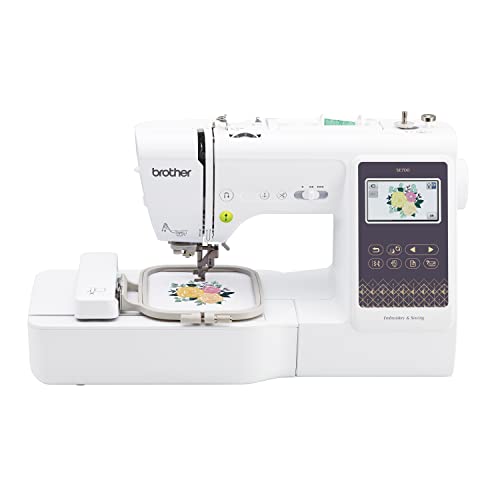 | Best For Embroidery | Machine Type: Sewing and embroidery combo | Brand: Brother | Model: SE700 | SEARCH BEST PRICE | Read Our Analysis |
| Brother 1034D Serger Overlock Sewing Machine |  | Best Serger Value | Machine Type: Serger overlock machine | Brand: Brother | Model: 1034D | SEARCH BEST PRICE | Read Our Analysis |
| SINGER 4423 Heavy Duty Sewing Machine |  | Heavy-Duty Champion | Machine Type: Heavy-duty sewing machine | Brand: SINGER | Model: 230489112 | SEARCH BEST PRICE | Read Our Analysis |
| Brother XM2701 27-Stitch Sewing Machine with Thread Needles |  | Best For Beginners | Machine Type: Sewing machine | Brand: Brother | Model: XM2701 | SEARCH BEST PRICE | Read Our Analysis |
| Brother XR3774 Sewing Quilting Machine 37 Stitches |  | Best For Quilting | Machine Type: Sewing and quilting machine | Brand: Brother | Model: XR3774 | SEARCH BEST PRICE | Read Our Analysis |
| Brother GX37 Sewing Machine 37 Stitches 6 Feet | 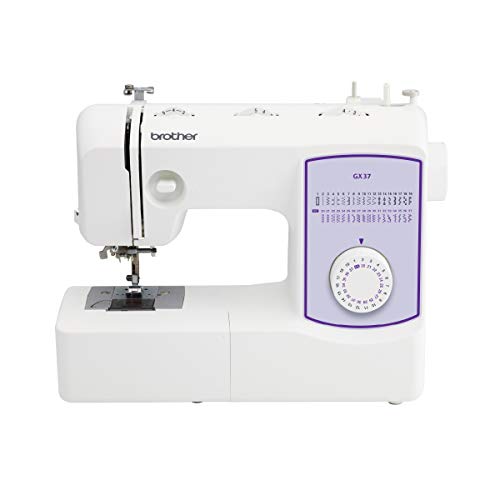 | Most Versatile | Machine Type: Sewing machine | Brand: Brother | Model: GX37 | SEARCH BEST PRICE | Read Our Analysis |
| KPCB Tech Mini Sewing Machine for Beginners | 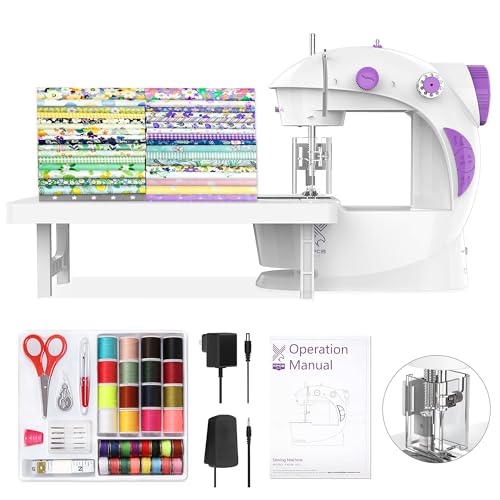 | Best Portable Mini | Machine Type: Mini sewing machine | Brand: KPCB Tech | Model: FHSM-201 | SEARCH BEST PRICE | Read Our Analysis |
| Singer Heavy Duty 4552 Sewing Machine Bonus Feet |  | Best Heavy Duty Value | Machine Type: Heavy-duty sewing machine | Brand: SINGER | Model: HD4552 | SEARCH BEST PRICE | Read Our Analysis |
| Brother CS5055 Computerized Sewing Machine with LCD Display |  | Best Computerized Model | Machine Type: Computerized sewing machine | Brand: Brother | Model: CS5055 | SEARCH BEST PRICE | Read Our Analysis |
| Brother XM2701 Portable Sewing Machine with 27 Stitches |  | Best Budget Pick | Machine Type: Portable sewing machine | Brand: Brother | Model: XM2701S | SEARCH BEST PRICE | Read Our Analysis |
More Details on Our Top Picks
Brother SE700 Sewing and Embroidery Machine with Touchscreen

Best For Embroidery
The Brother SE700 is a combination sewing and embroidery machine that puts design flexibility at your fingertips with a responsive touchscreen. It lets you switch from stitching garments to personalizing projects with built-in embroidery patterns, all in one compact unit.
Best for: Home crafters who want a single machine for daily sewing and monogramming gifts like towels or tote bags.Biggest strength: The 3.7 inch color touchscreen lets you edit and preview 135 designs and 10 fonts before you stitch a single thread.Not ideal if: You need a large embroidery field, since the 4×4 inch hoop limits you to smaller motifs than dedicated embroidery machines offer.How it compares: With 103 sewing stitches and 8 included feet, it covers more sewing ground than the lightest picks here, though it weighs more and takes up counter space.- Machine Type:Sewing and embroidery combo
- Brand:Brother
- Model:SE700
- Color:White
- Sewing Capability:103 stitches + 135 embroidery designs
- Target User:Advanced and beginner
- Additional Feature:Wireless LAN enabled
- Additional Feature:3.7-inch color touchscreen
- Additional Feature:135 built-in embroidery designs
Brother 1034D Serger Overlock Sewing Machine
Best Serger Value
The Brother 1034D is a dedicated overlock machine that trims and finishes raw edges with clean, professional looking stitches. It powers through thick layers and denim without stalling, which makes it a practical choice for sewers who regularly work with sturdy fabrics.
Best for: Home sewers who need a reliable serger for heavy fabrics and frequent edge finishing.Biggest strength: Its durable metal frame supports speeds up to 1,300 stitches per minute, so you can finish long seams quickly.Not ideal if: You live outside the US, because this 120 volt machine is made for US outlets only.How it compares: It includes color coded guides and a lower looper threader that make setup easier than many other budget sergers.- Machine Type:Serger overlock machine
- Brand:Brother
- Model:1034D
- Color:White
- Sewing Capability:3/4-thread serger up to 1,300 spm
- Target User:Home users
- Additional Feature:1,300 stitches per minute
- Additional Feature:Color-coded threading guides
- Additional Feature:3/4-thread serger capability
SINGER 4423 Heavy Duty Sewing Machine
Heavy-Duty Champion
The SINGER 4423 is a heavy duty sewing machine built for thick fabrics and fast work. It delivers 1,100 stitches per minute, which cuts through demanding projects without stalling.
Best for: Serious sewists who regularly handle denim, leather, or canvas and need a machine that won’t slow them down.Biggest strength: Its 50% more motor power than standard models, letting you sew eight layers of denim with a stable, vibration free metal frame.Not ideal if: You want a lightweight portable option for craft classes, because this machine’s metal build adds noticeable heft to carry around.How it compares: Compared to the lighter picks here, it offers a higher presser foot lift and a reverse lever for reinforced seams, giving you more clearance for bulky stacks at a mid range price.- Machine Type:Heavy-duty sewing machine
- Brand:SINGER
- Model:230489112
- Color:Meltwater Blue
- Sewing Capability:23 stitches, 1,100 spm
- Target User:All skill levels
- Additional Feature:50% more power
- Additional Feature:1,100 stitches per minute
- Additional Feature:Stainless-steel bedplate
Brother XM2701 27-Stitch Sewing Machine with Thread Needles
Best For Beginners
The Brother XM2701 offers 27 built in stitches and an automatic needle threader to get new sewists past the first frustrating steps. It also includes a jam resistant drop in bobbin and a free arm for sewing cuffs and sleeves.
Best for: Beginners who want a best sewing machine for beginners that starts working right out of the box.Biggest strength: The automatic needle threader saves your eyesight and your patience, making setup genuinely quick.Not ideal if: You plan to sew multiple layers of denim or upholstery fabric, since this light machine lacks the motor power for that work.How it compares: This is the lightest pick here, so it is easier to move around than a heavy duty sewing machine, but you trade that portability for brute force.- Machine Type:Sewing machine
- Brand:Brother
- Model:XM2701
- Color:White
- Sewing Capability:27 stitches, 1-step buttonhole
- Target User:Everyday users
- Additional Feature:6-pack assorted threads
- Additional Feature:Instructional DVD included
- Additional Feature:Twin needle included
Brother XR3774 Sewing Quilting Machine 37 Stitches
Best For Quilting
The Brother XR3774 is a budget friendly quilting machine that handles everything from everyday mending to large quilt projects without demanding a high price. It gives you 37 stitches, a one step buttonhole, an automatic needle threader, and a jam resistant drop in bobbin so you can keep sewing without fuss.
Best for: Beginner and intermediate sewists who want a quilting machine with a wide table and a free arm for cuffs and sleeves.Biggest strength: The automatic needle threader and drop in bobbin save you time and frustration, so you can focus on stitching rather than setup.Not ideal if: You need a machine that works outside the US, because it runs on 120 volts only and using it elsewhere will void the warranty.How it compares: It is the lightest pick here for portability, yet it still includes an 8 foot wide table, a cover, and an instructional DVD, which is more value than other machines at this price tier.- Machine Type:Sewing and quilting machine
- Brand:Brother
- Model:XR3774
- Color:White
- Sewing Capability:37 stitches, 1-step buttonhole
- Target User:Beginner to advanced
- Additional Feature:Includes quilting wide table
- Additional Feature:8 sewing feet included
- Additional Feature:Instructional DVD bundled
Brother GX37 Sewing Machine 37 Stitches 6 Feet
Most Versatile
For the everyday stitcher, this Brother GX37 is a dependable workhorse with 37 unique stitches printed right on the machine. It gives you a jam resistant drop in bobbin and an automatic needle threader, so you spend less time fussing and more time sewing.
Best for: Beginners who want a simple dial and go machine with an auto size buttonhole for cuffs and collars.Biggest strength: The automatic needle threader saves your eyes, and the six included feet cover most everyday projects out of the box.Not ideal if: You live outside the US, since this model runs on 120V and any use abroad voids the warranty.How it compares: It is the lightest pick here for portability, yet offers a free arm for hemming sleeves that heavier machines lack.- Machine Type:Sewing machine
- Brand:Brother
- Model:GX37
- Color:White
- Sewing Capability:37 stitches, auto-size buttonhole
- Target User:Beginner to advanced
- Additional Feature:Stitch patterns printed on machine
- Additional Feature:Free lifetime technical support
- Additional Feature:6 snap-on sewing feet
KPCB Tech Mini Sewing Machine for Beginners
Best Portable Mini
The KPCB Tech FHSM-201 pairs a full size double thread mechanism with a mini body, so beginners get real stitching power without bulk. Its finger guard and dual speed control let you learn slowly and then speed up, turning clumsy first attempts into steady progress.
Best for: New sewists who want a best sewing machine for beginners that protects their fingers while they practice.Biggest strength: The dual speed option lets you switch to slow for tricky corners, so you build muscle memory before tackling faster seams.Not ideal if: You need a heavy duty sewing machine for thick denim or canvas, since this one handles up to five fabric layers but no more.How it compares: It is the lightest pick here with the smallest footprint, yet it includes a foot pedal, extension table, and 20 practice squares right out of the box.- Machine Type:Mini sewing machine
- Brand:KPCB Tech
- Model:FHSM-201
- Color:White
- Sewing Capability:Double-thread mechanism, sews 5 layers
- Target User:Beginners
- Additional Feature:Finger guard safety feature
- Additional Feature:Dual stitching speeds
- Additional Feature:20 practice fabric squares
Singer Heavy Duty 4552 Sewing Machine Bonus Feet
Best Heavy Duty Value
The Singer Heavy Duty 4552 pushes through thick denim stacks without stalling, thanks to its powerful DC motor and full metal frame. You get 1,000 stitches per minute for fast, reliable progress on tough fabrics.
Best for: Sewists who regularly sew multiple layers of canvas or denim and want a heavy duty sewing machine that won’t skip stitches.Biggest strength: The metal frame keeps the machine stable at top speed, so you can power through thick seams without vibration or shifting.Not ideal if: You need a wide throat space for large quilts, since the 4552 offers a standard 6.2 inch area that can feel cramped for big projects.How it compares: It’s a budget friendly pick that includes 32 built in stitches and a bonus feet set, giving you more versatility than similarly priced machines.- Machine Type:Heavy-duty sewing machine
- Brand:SINGER
- Model:HD4552
- Color:Charcoal
- Sewing Capability:32 stitches, 110 applications, 1,000 spm
- Target User:Daily project sewers
- Additional Feature:Eco Mode power saving
- Additional Feature:Adjustable speed control
- Additional Feature:Drop feed for free-motion quilting
Brother CS5055 Computerized Sewing Machine with LCD Display
Best Computerized Model
This computerized sewing machine keeps up with demanding projects while keeping setup simple. It delivers consistent stitches on denim and other thick fabrics, plus an LCD screen for quick stitch selection.
Best for: Home sewists who want a reliable everyday machine without a steep learning curve, especially those new to computerized models.Biggest strength: The jam resistant drop in bobbin and automatic needle threader remove two common frustrations, so you spend more time sewing and less time fiddling.Not ideal if: You plan to move overseas, because this model runs on 120V electricity and is built for US outlets only.How it compares: At $150 with 60 stitch options and seven buttonhole styles, it offers more built in flexibility than the lightest or most basic picks in this group.- Machine Type:Computerized sewing machine
- Brand:Brother
- Model:CS5055
- Color:White
- Sewing Capability:60 stitches, 7 one-step buttonholes
- Target User:Large project sewers
- Additional Feature:Metal frame construction
- Additional Feature:Large needle-to-arm workspace
- Additional Feature:Trilingual instruction manual
Brother XM2701 Portable Sewing Machine with 27 Stitches
Best Budget Pick
The Brother XM2701 is a portable, budget friendly sewing machine built for everyday fixes and light projects. It brings 27 built in stitches to the table, so you can sew straight seams, stretch knits, or decorative edges without a second machine.
Best for: Beginners who want a low cost way to learn on a machine that includes an automatic needle threader and a drop in top bobbin.Biggest strength: The auto size buttonhole measures and sews the hole for you, which removes the trickiest step for new sewers.Not ideal if: You plan to sew thick layers like denim or canvas regularly, since this lightweight pick is better suited to cottons and lighter fabrics.How it compares: It is the lightest and least expensive pick here, but it runs on 120V US power only, so it stays home rather than traveling overseas.- Machine Type:Portable sewing machine
- Brand:Brother
- Model:XM2701S
- Color:White
- Sewing Capability:27 stitches, auto-size buttonhole
- Target User:Beginner to advanced
- Additional Feature:Free lifetime technical support
- Additional Feature:6 sewing feet included
- Additional Feature:Jam-resistant bobbin system
Factors to Consider When Choosing Sewing Machine Brands
Start with built-in stitch variety and a one-step buttonhole to cover your everyday basics. Motor power and speed matter for heavy fabrics like denim, and ease of threading is the difference between a quick project and a screaming fit.
Check for metal frame stability. A plastic base will wobble like a nervous toddler, while a solid foundation supports quilting marathons without shifting your seam allowance.
Use the machine’s tension settings and feed dogs to test how it handles different fabric weights before you commit. A clear bobbin compartment and a simple presser foot swap save time on every project.
Stitch length options give you control for topstitching or basting, and a smooth feed keeps layers from puckering.
If you need repairs or electrical work, follow the manufacturer’s instructions or see a qualified technician.
Pick a machine that you can thread and wind without a fight, and you will get more sewing done with less frustration.
Built-In Stitch Variety
Stitch count on a spec sheet gets attention, but it shouldn’t decide your purchase. Entry-level machines usually offer 27 stitches, which is plenty for basic repairs, while heavy-duty models push past 32 and add more creative range.
You’ll typically find utility, stretch, blind hem, and decorative stitches in the library. Some brands include heirloom categories, but those often go unused.
Check the application count rather than the raw stitch number. For example, 23 stitches might produce 97 applications, while 32 stitches give you 110.
Some machines focus on quilting stitches, while others stick to practical utility options. Think about what you’ll actually sew, not just what looks impressive.
Most of the time, you’ll sew a straight stitch anyway, and a good straight stitch depends on proper tension and stitch length settings. Still, having a few extra options beats staring at a limited dial.
Prioritize useful stitch variety over a high number. Unless you enjoy fiddling with knobs, practical breadth matters more than a large count.
One-Step Buttonhole Ease
The one-step buttonhole is a practical upgrade, not a spec-sheet gimmick. You select a stitch setting, input your button’s diameter, and the machine handles the rest. A sensor or lever reads the button’s thickness, then sets stitch density and length precisely.
No fiddling with four-step adjustments. This means fewer beginner mistakes and symmetrical bartacks every time.
You get reinforced openings in one pass. Sewing direction and width auto-control internally.
My first one-step attempt looked better than my tenth four-step try. For casual sewers or anyone who hates measuring, this feature saves real frustration.
Look for machines with this capability on your shortlist. If you sew shirts or jackets, prioritize one-step.
It’s worth the extra cost for the consistency it brings.
Motor Power and Speed
A weak motor stalls mid-seam on denim, so raw power matters. Choose a heavy-duty model with 1,000 to 1,300 stitches per minute (SPM) to handle leather and canvas easily.
Machines with 50% more torque than standard models vibrate less. That keeps your stitches even on layered stacks.
Look for adjustable speed controls, like a foot pedal or slider. They let you crawl through curves without drama.
A metal interior frame anchors the machine at high speed. Plastic flexes, but metal stays stable.
Test the pedal’s response before you commit. It’s your best friend for controlling tricky spots.
Buy a motor that handles your toughest material. Skip underpowered ones unless you enjoy thread tantrums.
Ease of Threading
Threading ease can make or break your sewing time. Tangled bobbins and skipped needles frustrate even experienced sewists.
Look for an automatic needle threader that guides thread through the eye mechanically. It saves your eyes and your patience.
A jam-resistant drop-in top bobbin loads flat and simple. Front-loading cases can eat thread and cause tension headaches.
Color-coded paths on the machine body show you exactly where the upper thread goes. Follow them once, and you will remember the route.
For sergers, a lower looper system with a threading tool cuts setup frustration dramatically. Check that the tool stays attached so you do not lose it.
Open the manual before you buy. Clear diagrams and tutorial videos shorten the learning curve from hours to minutes.
Confirm the specs match your skill level and machine type. Trust your future self, and choose the setup that will not make you want to throw the machine.
Metal Frame Stability
A solid metal frame keeps your sewing machine rigid, so stitches stay consistent even at full speed. The extra weight prevents shifting when you sew dense materials like multiple layers of denim.
Metal construction also dampens mechanical noise, turning clatter into a quiet hum. Over time, frame rigidity keeps needle-to-hook timing precise, avoiding skipped stitches and misalignment.
Plastic housings flex under stress and don’t last. Choose a machine with a solid metal frame and you won’t be chasing it across the table.
Workspace and Free Arm
The exposed free arm is a narrow extension of the machine base that lets you slide cuffs, sleeves, and pant legs over it for circular stitching. When you wrestle a pair of jeans into submission, this feature is non-negotiable.
Check the free arm’s width, measured from the needle to the machine’s right side. That number dictates the maximum fabric diameter you can fit, so larger arms exceeding six inches handle quilting or home décor with ease.
Without a free arm, you face flat-bed limitations and need extra attachments for cylindrical jobs. For heavy denim, verify the arm’s height and clearance so multiple folded layers glide without binding or distortion.
A generous free arm saves you from contorting your wrists during circular seams. Measure twice, sew once, right?
Prioritize a roomy free arm unless you only sew flat, open pieces.
Wireless Connectivity Options
Wireless connectivity, not free arms, makes the biggest difference to your embroidery workflow.
You can skip the USB shuffle entirely. Many computerized combos, like the Brother PE900, connect to your home Wi-Fi network and pull designs straight from your PC through a free transfer utility. Both devices just need to be on the same network, with no dongles or card readers.
Some brands go further with a mobile app. Download a pattern on your phone, hit send, and watch it appear on the machine’s screen.
But watch for the catches. You need a stable Wi-Fi signal, and most machines only accept proprietary file types like .pes or .dst. File size limits can also bite on bigger designs.
Mechanical models are out of luck. They stick to wired or manual input.
If embroidery is your main focus, wireless is worth the extra cash. Verify format compatibility before you commit.
Included Foot Attachments
Foot attachments are the unsung heroes of your sewing machine, and they range from a skimpy six to a generous eight-plus. Don’t just count them, because a six-foot bundle often omits the walking foot you need for quilting.
An eight-footer throws in the gathering and blind hem feet you will actually use. Check snap-on versus screw-on; universal shanks let you swap generic feet, but proprietary ones trap you.
Heavy-duty models often toss in a free-motion quilting foot, saving you $20 later. That is the real test: does it match your tasks?
For zippers, you will want a zipper foot regardless. Aim for seven-plus feet, but prioritize types over totals.
You will stitch smarter, not harder, and your wallet will thank you. Set the presser foot pressure and stitch length to match each foot you attach.
Keep the feed dogs clear when using a free-motion foot. Tension adjustments matter most when switching between gathering and blind hem feet.
Frequently Asked Questions
How Often Should I Oil My Sewing Machine?
You should oil your sewing machine after every eight hours of active sewing, or after each day’s session if you sew casually. Don’t wait for squeaks or stiffness, because that means the moving parts are already straining and wearing down.
Check your manual first to locate the specific oiling points, since machines differ in their setup. Then apply one light drop of sewing machine oil to each marked spot, focusing on the needle bar and hook area.
Use only oil made for sewing machines; household oils can gum up the works. As a concrete tip, keep a small notebook near your machine and jot down the date each time you oil it, so you never lose track.
For best results, test on scrap fabric after oiling to ensure no excess oil stains your projects. If you are unsure about any part, consult the manual or a qualified technician, especially for older or electronic models.
What Is the Best Way to Clean Lint?
The best way to clean lint is to lift loose fibers with a soft brush, then vacuum them out. Start by removing the needle and presser foot to expose the feed dogs and bobbin case. Brush gently from the center outward, and use the vacuum’s narrow attachment to suck up everything you loosen.
After brushing, check the bobbin area for any lint wrapped around the tension spring. Use a canned air duster only for hard-to-reach spots, but never blow into the machine, as this pushes debris deeper. For stubborn buildup, try a lint-free cloth dampened with rubbing alcohol, then let it dry completely.
Always test your machine’s stitch on scrap fabric after cleaning, since tension settings vary by model. If the machine still sounds rough, consult your manual for the correct cleaning schedule. Regular cleaning prevents jams and keeps your sewing quiet and smooth.
How Do I Fix Thread Bunching Underneath?
Thread bunching underneath usually means your upper thread is not seating properly with the bobbin thread. Start by re-threading the upper thread completely, making sure it passes through every guide and the take-up lever.
Then, remove the bobbin case and check that the bobbin is wound evenly and inserted in the correct direction. Loosen the top tension dial by a quarter turn, then test on a scrap fabric, since machines differ.
Also, clean lint from the bobbin area with a small brush, as debris can cause snags. Check your needle for a bent tip or dull point, and replace it if needed, using a size 80/12 for most woven cottons.
If the problem persists, try adjusting the bobbin tension only after checking your manual, and always test on a folded scrap to mimic real seams. This covers the common causes of thread nesting.
Can I Use Any Brand of Needles?
No, you shouldn’t use any brand of needles, because mismatched needles cause bunching and skipped stitches. Always stick with the brands your machine’s manual recommends, such as Schmetz or Organ, since they are precision-made for proper tension.
For everyday woven fabrics, a size 80/12 universal needle works well, but check your manual or test on scrap fabric first. Different machines and thread types can change what’s best.
If you’re sewing knits or denim, switch to a ballpoint or jeans needle, as these are specific for stretch or heavy layers. One quick tip: replace your needle after every project or every 8 hours of sewing to avoid dullness.
Search for “sewing machine needle compatibility” if you’re unsure about your model. In my experience, a fresh, correct needle solves most tension issues before you adjust anything else.
What Warranty Does Each Brand Offer?
Each brand’s warranty differs, but Brother, Singer, and Janome typically cover parts for 25 years with only 1 year of labor.
That means you pay for the technician’s time if a repair is needed after the first year, even though the part itself is free.
Always check your specific model’s warranty card, because coverage can vary by machine and region.
To use this today, write down your machine’s model number and the warranty end date, then store the receipt with the manual.
If your machine needs a motor or wiring fix, follow the manufacturer’s instructions and ask a qualified technician when needed.
For your own repairs, test settings on scrap fabric first, since stitch length and tension differ by fabric.
Search for “sewing machine coverage details” to compare warranty terms before you buy.
Rounding Up
Which sewing machine will stitch like a dream? Choose a brand that makes threading effortless, like Brother or Singer, and match the model to your needs.
Check that the heavy-duty option handles denim if you plan to sew thick fabrics. Compare the computerized model to see if it automates stitches for you.
Test your top pick on scrap fabric before committing to a project. Over 35% of new sewers quit due to tangled threading, so this trial run matters.
Adjust your tension settings as the machine’s manual directs, and keep the threading path clear.
Reliability beats a headache, so pick a machine that sings, since you have better things to curse at.