Looking for the best sewing machines for tweens means balancing safety with simplicity.
You are likely dealing with a young beginner who is eager to sew but needs a machine that won’t frustrate them with complex settings or risky moving parts.
This roundup covers the top options for thin fabrics and practice squares, comparing key features like foot pedals, built-in finger guards, and stitch variety to help you choose wisely.
Read on to see which machines made the cut.
How We Tested
Specifications matter most when matching a machine to a tween’s skill level. Readers can check that models include finger guards and safety lights to protect small hands, which is essential for worry free use. They can also compare dual speed controls and lightweight builds that support gradual confidence building, along with the stated stitch pattern range of 12 to 27 to gauge creative potential.
Value shows up in the included accessory kits that provide fabric, thread, and tools for immediate, tangle free sewing fun. Since the source does not document a price comparison, you should weigh these bundled extras against the machine’s suitability for light fabrics. Avoid heavy denim or quilting tasks, as the source notes mini machines are not built for those thicker materials, so focus on what the kit supports right away.
Editorial judgment comes down to how well each model’s documented safety and stitch features match your tween’s interests. Without confirmation that we tested products, you can judge options by comparing the listed stitch variety and safety mechanisms to your child’s project plans. The source gives no reason one machine stands out over another, so use the feature lists to decide which best sparks creativity.
| CraftBud Mini Sewing Machine with 122-Piece Kit Pink | 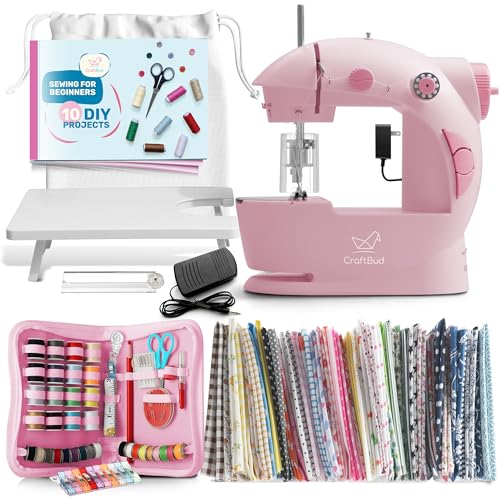 | Most Feature-Packed | Machine Type: Mini sewing machine | Portability: Compact footprint, travel-friendly | Target User: Beginners, kids, and adults | SEARCH BEST PRICE | Read Our Analysis |
| Made By Me Portable Sewing Machine for Kids | 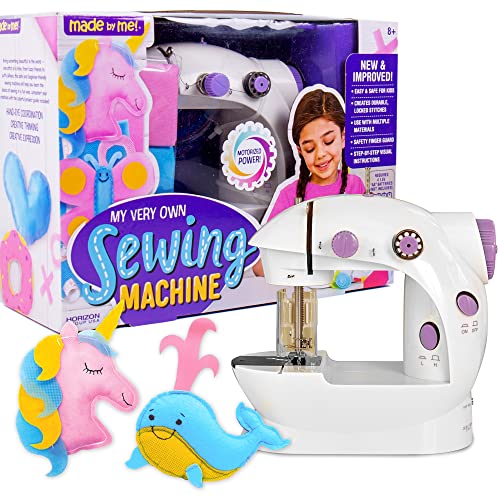 | Best For Young Kids | Machine Type: Portable battery-operated sewing machine | Portability: Kid-sized dimensions (7.67 x 4.52 x 7.48 inches) | Target User: Kids ages 8 and up | SEARCH BEST PRICE | Read Our Analysis |
| Rxmeili Portable 12-Stitch Sewing Machine with 42-Pc Kit | 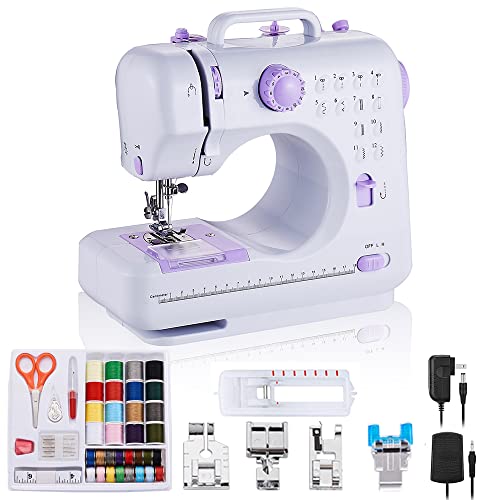 | Most Stitch Options | Machine Type: Portable 12-stitch sewing machine | Portability: 12.2 x 5.9 x 11.8 inches, 2.4KG | Target User: Beginners and enthusiasts | SEARCH BEST PRICE | Read Our Analysis |
| KPCB Tech Mini Electric Sewing Machine for Beginners | 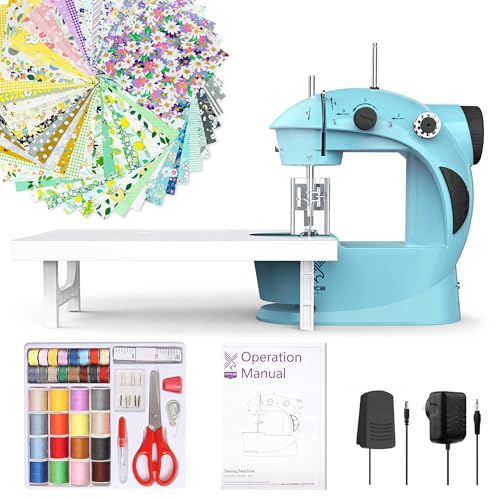 | Best Safety Features | Machine Type: Mini electric sewing machine | Portability: Mini size (8.6 × 6.9 × 3.5 inches) | Target User: Beginners, kids, and novices | SEARCH BEST PRICE | Read Our Analysis |
| CraftBud Mini Sewing Machine with 122-Piece Kit |  | Great Value Kit | Machine Type: Mini sewing machine | Portability: Compact, portable design | Target User: Beginners, adults, and kids | SEARCH BEST PRICE | Read Our Analysis |
| Barbie Sew Chic Portable Sewing Machine for Kids |  | Best For Barbie Fans | Machine Type: Portable battery-operated sewing machine | Portability: Portable starter craft kit | Target User: Kids | SEARCH BEST PRICE | Read Our Analysis |
| Brother XM2701 Portable Sewing Machine with 27 Stitches |  | Best Upgrade Pick | Machine Type: Portable full-size sewing machine | Portability: Portable, small size | Target User: Beginners to advanced users | SEARCH BEST PRICE | Read Our Analysis |
| KPCB Tech Mini Sewing Machine for Beginners | 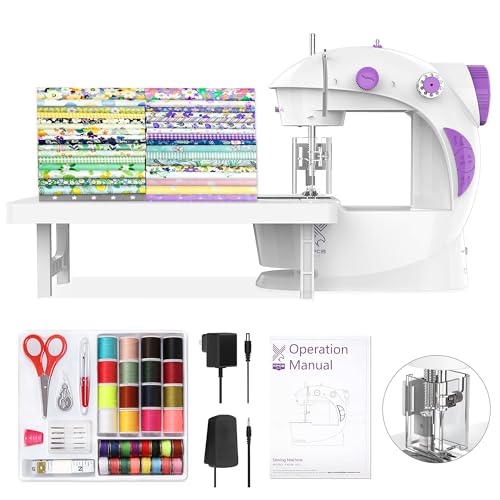 | Most Powerful Mini | Machine Type: Mini electric sewing machine | Portability: Portable and compact design | Target User: Beginners/starters | SEARCH BEST PRICE | Read Our Analysis |
| Brother CS5055 Computerized Sewing Machine with LCD Display |  | Best High-Tech Choice | Machine Type: Computerized sewing machine | Portability: Not specified as portable | Target User: Not specified (general/home use) | SEARCH BEST PRICE | Read Our Analysis |
| Portable Sewing Machine for Beginners with 12 Stitches |  | Best For True Beginners | Machine Type: Portable compact sewing machine | Portability: 10.6 x 9.3 x 4.5 inches, ~5 lb, fits small spaces | Target User: Beginners | SEARCH BEST PRICE | Read Our Analysis |
More Details on Our Top Picks
CraftBud Mini Sewing Machine with 122-Piece Kit Pink

Most Feature-Packed
The CraftBud Mini Sewing Machine gives younger crafters a complete, travel friendly setup for learning to sew. This starter kit bundles a small machine with 122 pieces, including fabric squares, threaded bobbins, and tools, so a tween can start projects right away.
Best for: A tween who wants a first machine with a full accessory set out of the box.Biggest strength: The built in light and foot pedal with adjustable speed give real control for precise starts.Not ideal if: You need a quilting machine with a wide throat, because this compact model handles small projects best.How it compares: It is the most feature packed starter kit here, yet its foldable footprint makes it the lightest pick for storage.- Machine Type:Mini sewing machine
- Portability:Compact footprint, travel-friendly
- Target User:Beginners, kids, and adults
- Power Source:Dual power option (battery/AC)
- Speed Settings:Adjustable speed
- Built-in Light:Built-in light included
- Additional Feature:50 fabric squares
- Additional Feature:Dual power option
- Additional Feature:Expandable table
Made By Me Portable Sewing Machine for Kids
Best For Young Kids
Made By Me Portable Sewing Machine is a battery powered starter kit that gets younger kids sewing right away. It bundles fabric, stuffing, thread, a measuring tape, and a needle threader so the first project begins minutes after opening the box.
Best for: Tweens ages eight and up who want a safe, simple introduction to sewing without cords or complex settings.Biggest strength: It is ready from the packaging with pre threaded bobbins and a two speed control, so a child can sew a pillow or small toy in one sitting.Not ideal if: You want a machine that handles thicker fabrics or heavier projects, since this one suits light craft cloth and stuffing only.How it compares: It is the lightest pick here and the only one with finger guards and a safety light, but it needs four AA batteries that are not included.- Machine Type:Portable battery-operated sewing machine
- Portability:Kid-sized dimensions (7.67 x 4.52 x 7.48 inches)
- Target User:Kids ages 8 and up
- Power Source:Battery-operated (4 AA, not included)
- Speed Settings:Two-speed adjustable settings
- Built-in Light:Safety light included
- Additional Feature:Pre-threaded bobbins
- Additional Feature:Finger guards included
- Additional Feature:Picture-based instructions
Rxmeili Portable 12-Stitch Sewing Machine with 42-Pc Kit
Most Stitch Options
The Rxmeili Portable 12-Stitch Sewing Machine packs the widest stitch selection in the tween category, giving you lock, curve, and pattern options from a simple knob. It runs on 4 AA batteries or the AC adapter, so you can stitch anywhere without hunting for an outlet.
Best for: Beginners who want to try many stitch types before committing to a pricier machine.Biggest strength: Twelve stitches controlled by one knob, which beats the usual three or four on other starter portables.Not ideal if: You expect smooth reverse action, since you must hold the button firmly or it jumps forward.How it compares: Lighter and more stitch diverse than the typical two pound starter, but the motor feels weaker, so stick to thin cotton or linen.- Machine Type:Portable 12-stitch sewing machine
- Portability:12.2 x 5.9 x 11.8 inches, 2.4KG
- Target User:Beginners and enthusiasts
- Power Source:Dual power (4 AA batteries or AC adapter)
- Speed Settings:Stitch length adjustment (1-4); multiple stitch types
- Built-in Light:Not explicitly stated
- Additional Feature:12 stitch types
- Additional Feature:Reverse sewing control
- Additional Feature:Threading marks on body
KPCB Tech Mini Electric Sewing Machine for Beginners
Best Safety Features
The KPCB Tech Mini FHSM-201 is a compact 8.6 inch portable sewing machine built for beginners and younger crafters. It lets you practice straight and zigzag stitches on small projects without the intimidation of a full size model.
Best for: Safety conscious parents and clumsy tweens who want a best sewing machine for beginners that keeps fingers clear of the needle.Biggest strength: The built in finger guard protects curious digits while dual speeds let you creep slowly or move faster as confidence grows.Not ideal if: You need a heavy duty sewing machine for thick fabrics or large quilts, since the tiny throat space limits you to small patches and practice squares.How it compares: The 42 piece kit with bobbins, scissors, and 20 cotton squares makes this the most accessory rich pick here, so you start sewing right away.- Machine Type:Mini electric sewing machine
- Portability:Mini size (8.6 × 6.9 × 3.5 inches)
- Target User:Beginners, kids, and novices
- Power Source:Not explicitly stated
- Speed Settings:Dual stitching speeds (slow and standard)
- Built-in Light:Built-in light included
- Additional Feature:20 cotton fabric squares
- Additional Feature:Tutorial videos included
- Additional Feature:Multilingual user manuals
CraftBud Mini Sewing Machine with 122-Piece Kit
Great Value Kit
The CraftBud Mini Sewing Machine with 122-Piece Kit is a complete starter package for a tween who wants to sew without a steep learning curve. It gives you everything needed to make first projects right away, from fabric to thread to tools.
Best for: A young beginner who wants a best sewing machine for beginners that includes all the supplies in one box.Biggest strength: The 122 piece kit, with 50 fabric squares and 16 thread spools, so you can start sewing immediately.Not ideal if: You need a heavy duty sewing machine for thick fabrics, since it is a compact model built for light projects.How it compares: It is the lightest pick here and has dual speeds, so you can start slow and then speed up as you gain confidence.- Machine Type:Mini sewing machine
- Portability:Compact, portable design
- Target User:Beginners, adults, and kids
- Power Source:Not explicitly stated
- Speed Settings:Dual speed settings
- Built-in Light:Built-in light included
- Additional Feature:50 fabric pieces
- Additional Feature:10 project patterns
- Additional Feature:Illustrated guide book
Barbie Sew Chic Portable Sewing Machine for Kids
Best For Barbie Fans
Barbie fans get a real, working sewing machine here that runs on batteries and uses a foot pedal, so kids actually stitch fabric instead of just pressing pretend buttons. It comes with six projects, patterns, fabric, ribbon, elastic, and hook and loop strips, plus a dress form for planning and showing off finished doll clothes.
Best for: Young beginners who want a first taste of real sewing without a parent buying a full sized machine.Biggest strength: The foot pedal and battery powered motor make it feel like actual sewing, teaching hand eye coordination on simple skirts and bags.Not ideal if: You expect long sewing sessions, because battery life runs out quickly and spares are essential from the start.How it compares: As a starter kit it is the lightest and most playful pick here, but it lacks the stitch count and throat space of even a basic adult machine.- Machine Type:Portable battery-operated sewing machine
- Portability:Portable starter craft kit
- Target User:Kids
- Power Source:Battery operated
- Speed Settings:Not explicitly stated
- Built-in Light:Not explicitly stated
- Additional Feature:Dress form included
- Additional Feature:6 sewing projects
- Additional Feature:Ribbon and elastic
Brother XM2701 Portable Sewing Machine with 27 Stitches
Best Upgrade Pick
The Brother XM2701 is a portable sewing machine that grows with a young sewist’s advancing skills. It gives you a wider stitch library and easier threading, so moving on from a starter model feels smooth, not frustrating.
Best for: Tweens and teens who have mastered a basic machine and want more stitch options without jumping to a complicated model.Biggest strength: The automatic needle threader saves time and frustration, and the jam resistant drop in bobbin keeps sewing sessions uninterrupted.Not ideal if: You need a heavy duty sewing machine for thick denim or multiple layers of canvas, because this light portable model is built for everyday fabrics, not tough materials.How it compares: The 27 stitch count is the reason to pick it over a basic starter machine, and the six included presser feet plus free arm for cuffs give you more room to practice than the simplest picks here.- Machine Type:Portable full-size sewing machine
- Portability:Portable, small size
- Target User:Beginners to advanced users
- Power Source:120V AC (US sale only)
- Speed Settings:Not explicitly stated (27 built-in stitches)
- Built-in Light:Not explicitly stated
- Additional Feature:27 built-in stitches
- Additional Feature:Jam-resistant bobbin
- Additional Feature:Free arm design
KPCB Tech Mini Sewing Machine for Beginners
Most Powerful Mini
The KPCB Tech mini is a portable sewing machine for beginners, ready to tackle school projects right out of the box. It gives tweens a safe way to learn real stitching with a full size double thread mechanism that handles up to 5 fabric layers without manual knotting.
Best for: Tweens starting out who need a gentle introduction to sewing. The dual speed control lets shaky hands start slow and speed up as they gain confidence.Biggest strength: The finger guard is a real safety boost, keeping little fingers clear of the needle during “enthusiastic misalignment.” It sews up to 5 fabric layers smoothly, so beginners just press the pedal and go.Not ideal if: You need a heavy duty sewing machine for thick upholstery or leather. The mini size limits its throat space for large quilting projects, and it’s not built for marathon sessions.How it compares: It’s the safest pick here, bundled with 20 practice cotton squares, tutorials, and a full tool kit with bobbins, scissors, and a thimble. That makes it ready to use the moment the box opens, unlike lighter budget models that skip the extras.- Machine Type:Mini electric sewing machine
- Portability:Portable and compact design
- Target User:Beginners/starters
- Power Source:US adapter included
- Speed Settings:Dual stitching speeds (slow and standard)
- Built-in Light:Not explicitly stated
- Additional Feature:Sews 5 fabric layers
- Additional Feature:Multilingual manuals
- Additional Feature:Includes foot pedal
Brother CS5055 Computerized Sewing Machine with LCD Display
Best High-Tech Choice
The Brother CS5055 is a computerized sewing machine with an LCD display, built to help a tween move past basic stitching with less frustration. It provides a wider workspace and automated conveniences so a young seamstress can focus on creating, not on fiddling with machine settings.
Best for: A tween who wants to grow into more advanced projects, like quilts or garments with heirloom details, without leaving the beginner price tier.Biggest strength: The automatic needle threader and jam resistant top bobbin drop in securely, so setup takes seconds even for smaller hands.Not ideal if: You plan to travel with it, since this machine runs on 120V only, which means it stays in the US.How it compares: Unlike lighter portable picks here, the metal frame and fixed needle bar keep this heavier machine steady, delivering clean, even stitches on denim or layered fabric.- Machine Type:Computerized sewing machine
- Portability:Not specified as portable
- Target User:Not specified (general/home use)
- Power Source:120V AC (US sale only)
- Speed Settings:Not explicitly stated (60 built-in stitches)
- Built-in Light:Not explicitly stated
- Additional Feature:60 built-in stitches
- Additional Feature:7 one-step buttonholes
- Additional Feature:Metal frame construction
Portable Sewing Machine for Beginners with 12 Stitches
Best For True Beginners
This compact Zeuboary is a portable starter machine that lets a curious tween begin sewing right away. It arrives pre threaded and factory tested, so the first project can start in minutes rather than after a setup session.
Best for: A young beginner who wants a lightweight, forgiving machine for tote bags or pillowcases, with 12 stitches that include straight, hem, buttonhole, and decorative options.Biggest strength: It weighs only 5 pounds and works right out of the box, so an eager tween can stitch immediately without dealing with threading or tension setup.Not ideal if: You expect pro grade performance, because this machine lacks the motor power and throat space needed for heavy fabrics or large quilting projects.How it compares: It is the lightest pick here, and the reverse lock plus extension table make it a solid starter choice, but it will never match a heavy duty sewing machine for durability.- Machine Type:Portable compact sewing machine
- Portability:10.6 x 9.3 x 4.5 inches, ~5 lb, fits small spaces
- Target User:Beginners
- Power Source:AC power adapter or 4 AA batteries
- Speed Settings:Selectable speeds
- Built-in Light:Integrated LED light included
- Additional Feature:Pre-threaded and tested
- Additional Feature:Accessory storage drawer
- Additional Feature:Forward/reverse functions
Factors to Consider When Choosing Sewing Machine for Tweens
Choosing a first sewing machine comes down to five key factors. Focus on safety features that keep little fingers away from the needle, plus a simple stitch selector for easy operation.
A portable size that fits on a desk makes setup simple, and basic accessories like extra bobbins and a seam ripper should come included. Power options matter too, so choose between battery or cord to avoid hunting for an outlet.
Get these right, and the machine will handle the learning curve without turning into an expensive paperweight. It might even hold your tween’s attention long enough to turn into a real hobby.
Safety First
Safety comes first when choosing a tween’s sewing machine. You will thank yourself later.
Start with a finger guard. This plastic barrier keeps small hands away from the needle and presser foot. Make it non-negotiable. Also look for an accessible, clearly marked on/off switch. In an emergency, you want instant shutdown, not a scavenger hunt.
A built-in safety light improves visibility and reduces accidental pokes. A low-voltage adapter or battery power lowers electrical risk. An enclosed needle and bobbin area keeps sharp parts out of reach.
These features cost a bit extra, but they protect your tween’s fingers. My own machine lacks a finger guard, and I have jabbed myself more times than I like to admit. Prioritize protection.
Easy Operation
Frustration kills creativity faster than a jammed bobbin, so ease of operation decides which machine suits a tween. Look for two-speed settings that let her start slow and build speed as confidence grows.
Pre-threaded, factory-tested machines save you from day-one tangles. Foot pedals rarely fit tween feet, so a manual push-button gives her an alternate route.
Automatic needle threaders and jam-resistant bobbins turn threading into a two-second task. Keep the machine light enough for smaller hands to manage without a wrestling match.
Choose features that remove obstacles, not add them. Your tween’s first project should be fun, not a test of patience.
Simpler machines win every time. You’ll thank me later.
Portable Size
The easiest machine to use is also the one that’s easy to move, so portability is your next checkpoint. Look for these specs: weight from 2.4 kg to 5 lb, and a size of 8–12 inches wide by 4–7 inches tall.
That footprint fits small desks and dorm-room surfaces, and it’s light enough to carry between rooms or to a friend’s house. A smaller machine feels less intimidating, which flattens the learning curve right away.
When it’s not in use, tuck it under a bed or into a carry bag. You won’t lose workspace either: many portables include an extension table for bigger projects like skirts or tote bags.
The only heavy thing here is your decision. Pick one you can lift, because wrestling a sewing machine is a workout, not a creative spark.
Lightweight and compact wins.
Essential Accessories
A starter kit with 40–50 pre-cut fabric squares, each 8–10 inches, gives your tween endless practice material without a separate fabric purchase. You avoid watching them turn a $12 bolt into a chaotic pile of scraps.
Grab 16+ pre-threaded bobbins and spare spools. Rethreading kills momentum, so keep the machine ready to go.
Add the safety toolkit: finger guard, needle threader, seam ripper, thimble, and small scissors. Mistakes happen, and ripping seams beats tears.
Measuring tools keep patterns honest. Use a flexible tape and a foldable 12-inch ruler.
Pick a picture-heavy guide book with 10 starter projects. It lets them learn solo without calling for help every five minutes.
These accessories turn frustration into fun. Skip them, and you will be untangling thread at midnight.
Power Options
An AC adapter delivers steady power for marathon sewing sessions, but these machines also run on batteries. Choose between plugging in or loading four AA batteries, which are usually not included, so factor in that cost. AA batteries drain quickly, and running both power sources at once will fry the motor.
AC mode uses a foot pedal for precise speed control. Battery mode relies on a push-button that feels clunkier and less accurate.
Battery power fades as the charge drops, which makes stitch speed wobbly. For longer projects, AC is the clear choice.
For quick crafts near an outlet, batteries work, but keep spares on hand. Buy a machine with a reliable AC adapter and treat battery mode as a backup, not a primary feature.
Your seams will stay even, and you will avoid frustrating mid-project power loss. Check the adapter’s cord and connection regularly, and follow the manufacturer’s instructions for any electrical repairs.
Beginner Projects
You’ve settled the power question, so now it’s time to pick a machine that won’t make you dread the first stitch. Look for dual speeds: slow keeps you in control on straight seams, standard lets you speed up later.
Starter projects like pillows, tote bags, or basic skirts only need straight stitching and minimal pattern pieces. Grabbing pre-cut fabric squares, say 8” x 8” or 10” x 10”, removes the measuring headache entirely.
Before your real project, run scrap cotton swatches through to test stitch length and reverse. This simple step avoids a tangled mess on your actual fabric.
Choose a machine with dual-speed control and a solid beginner guide. Pick one that includes illustrated guides with 6-10 patterns, like elastic-waist skirts or drawstring bags, so your skills build progressively.
Your first pillow’s seams will actually stay straight with slow-mode options and clear instructions. Trust me.
Brand Support
Most parents jump straight to stitch counts, but the real make-or-break factor is how the brand responds when the machine jams at 8 p.m. on a Tuesday. You want a company that’s actually reachable, not a black box.
Look for free lifetime phone or live chat support, and confirm the number is toll-free. If you can’t find a stated response time in the product docs, keep shopping.
A brand that promises 24-hour replies will help you fix the jam, not send you to a dead forum thread. Clear threading diagrams in a multi-language manual beat any sales pitch, especially for families where English isn’t the primary language.
Replacement parts are your quiet insurance. Needles, bobbins, and presser feet wear out, so check that the brand still stocks them after six months.
If the brand drops support quickly, you’re left hoarding duct tape. For any repair involving electrical parts, rotary blades, or a steam iron, follow the manufacturer’s instructions or contact a qualified technician.
Pick a company that answers the phone, or you’ll be the one explaining tension to a tween who just wants a stuffed llama.
Stitch Versatility
Think of stitch options as your tween’s creative toolbox, not just a number on a box. You’ll want at least 12 built-in stitches for straight, zigzag, and buttonholes. Adjustable length, typically 1 through 4, controls feed and tension—key for different weights. Reverse sewing? That dedicated switch locks seams so they don’t unravel.
For most tweens, a machine with 12 to 27 stitches covers everyday projects and simple decor. This range gives you enough variety for hems, patches, and basic mending without crowding the stitch selector.
Sixty stitches sounds impressive, but it’s overkill for a beginner. Fancy pattern stitches, like curves or lock styles, add flair, but they demand practice and slow speed. On a starter machine, more stitches just means more buttons to confuse a young sewist.
Stick with a machine offering 12 to 27 stitches, a solid reverse, and an easy length dial. That’s the practical sweet spot, giving creativity without the overwhelm. Pair it with a simple presser foot change and clear tension markings, and your tween can focus on learning seams, not decoding a manual.
Frequently Asked Questions
How Do I Fix a Jammed Bobbin Case?
To fix a jammed bobbin case, start by turning off and unplugging the machine, then remove the presser foot and the needle for easier access. Take out the bobbin case and clear every thread scrap and piece of lint from the race and the case itself, using a small brush if you have one.
Reinsert the bobbin case correctly, making sure the finger aligns with the notch, and check that the bobbin spins freely clockwise without catching. A common culprit is a tiny loop of thread trapped under the tension spring, so inspect that area closely with good lighting.
Set the upper tension to a mid-range number and test on a scrap fabric fold before sewing your project. If the jam recurs, check the machine manual for the correct bobbin insertion direction, since models differ. Never force the handwheel, and for persistent issues, ask a qualified technician to inspect the hook timing.
What Routine Maintenance Does a Kid’s Machine Need?
Routine maintenance for a kid’s machine means clearing lint and dust bunnies from the feed dogs and bobbin area after every project, then adding one drop of oil only where the manual shows. Swap in a new needle if it is bent or dull, and check the top tension by sewing a test seam on scrap fabric.
Adjust the tension dial only if the stitches look loopy or puckered, since machines and fabrics differ. Always unplug the machine before cleaning or changing parts, and teach your child to do the same.
For deeper service, such as timing issues or electrical checks, follow the manufacturer’s instructions and ask a qualified technician when needed. Lint buildup is the most common cause of skipped stitches, so a small brush or compressed air works wonders today. Preventive care like this keeps the machine humming for years, and regular cleaning is the single best habit to build.
How to Prevent Thread From Breaking During Sewing?
To prevent thread from breaking during sewing, always rethread with the presser foot up and use the correct needle for your fabric.
Thread breaks often come from tension issues, so slow your pace and avoid pulling the fabric. Let the machine feed it naturally, which keeps tension even and reduces stress on the thread.
For a concrete tip, test your tension on a scrap of the same fabric before starting your project. If the thread still snaps, check your machine manual for the right needle size, since machines and fabrics differ.
Also, swap in a new needle if it is bent or dull, as that can snag the thread. In my experience, matching the needle to the fabric weight, like a 90/14 for medium wovens, prevents many breaks.
What Are the Best Beginning Projects for Tweens?
The best beginning projects for tweens are pillowcases, drawstring bags, and scrunchies, as they teach straight stitching and quick finishes. Start with a simple pillowcase to practice seams and turning corners without pressure.
Choose cotton fabric that feels smooth and prewash it before you cut. Use a straight stitch of 2.5 length and test on scrap fabric to match your machine’s tension.
Drawstring bags build on that skill with casing and cord threading, while scrunchies introduce elastic loops. Each project takes under an hour, so you see progress fast.
A practical tip: pin perpendicular to the seam edge, then remove each pin just before the needle reaches it. Search for “easy sewing patterns for kids” if you want more ideas like tote bags or pencil cases.
In my experience, let your tween pick the fabric first; ownership boosts motivation. Check your machine manual for needle size, as most home machines prefer a 90/14 for woven cotton.
How Do I Store the Machine to Avoid Dust Buildup?
To store the machine and avoid dust buildup, cover it with its dust cover or a clean cloth, then place it inside a cabinet or closet. Always unplug it first and keep it off the floor to prevent dust bunnies and stray threads from sneaking in.
This simple habit also protects the machine from humidity and accidental bumps. For extra safety, wipe the exterior with a soft, dry lint-free cloth before covering, and check the manual for any specific storage tips.
If your space is tight, consider a dedicated shelf or a rolling cart with a cover, which keeps the machine accessible yet shielded. Test the cover fit on your model, since some machines need extra room for the thread spool or accessories.
Finally, avoid storing it near windows or vents where air circulation brings more dust. In my experience, a quick weekly wipe and cover routine saves time on cleaning later, but always follow the manufacturer’s instructions for your specific machine model.
Rounding Up
The right sewing machine for a tween comes down to finding one with metal gears, adjustable tension, and a warranty.
Check that the machine offers at least 10 stitches and an LCD screen, so your child isn’t decoding hieroglyphics.
Test the tension on scrap fabric before committing, and compare models around the $200 range to avoid a cheap toy that tangles like earbuds.
A tween can master those 10 stitches easily, and you will replace nothing every Christmas.
Invest once, let them sew real projects, and you will both breathe easier.
That is the needle point.